So, you scroll through Instagram and see those insane sim racing setups – wrap-around screens, wheels fancier than your car's, pedals that cost more than rent. Makes you think you need a trust fund to even think about competing, right? That the sim racing world belongs to folks with bottomless wallets and years logged on the sim.
Enter Patrick Mason from Mississauga, Ontario. Picture this: a childhood dream of being a race car driver shelved because, well, life and lack of cash happened. Fast forward to Black Friday 2023. Mason, on a whim, built his first PC thanks to YouTube and a basic sim setup. We’re talking a step up from an Xbox controller, but definitely not the pro gear flooding your feed. He jumps onto the notoriously tough iRacing platform in January 2024.
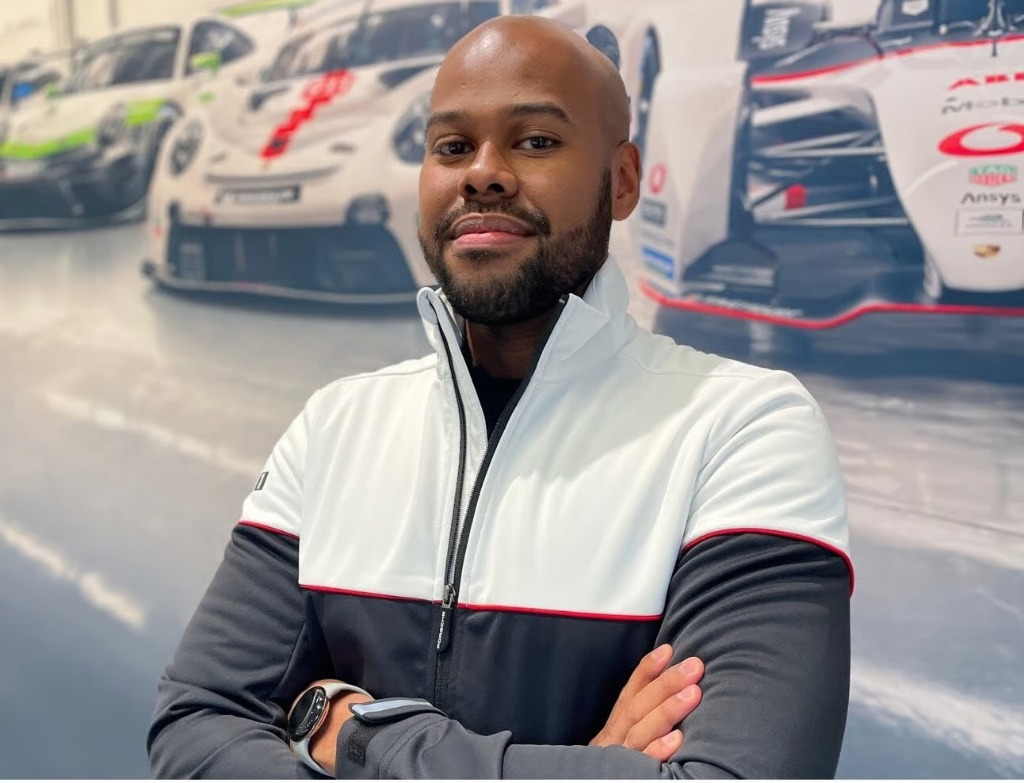
Here’s where it gets wild. Within one month – February 2024 – Mason finds himself qualifying for the Porsche eSports Sprint Challenge Canada. Seriously. On what gear, you ask? An old 59Hz monitor (not the buttery-smooth high-refresh ones), no fancy direct-drive wheel, no pro pedals. His secret? Pure grit and a refusal to blame his tools. Mason decided his modest setup wasn't an excuse, poured everything into practice, and believed hard work could bridge the gap.
And it worked. He reportedly qualified with one of the lowest iRating scores ever seen, proving he was fresh blood. He even snagged a reserve driver spot for another top series later.
This shreds the "pay-to-win" narrative. Sure, better gear like load cell pedals (which measure brake pressure, not just travel) and direct-drive wheels (giving you way more detailed feedback) can help you learn faster and be more consistent. But they don't magically grant you skill. That comes from relentless practice, mastering the fundamentals (racing lines, braking points), and developing racecraft. As Mason shows, dedication trumps dollars, especially early on.
The cool part? Getting started isn't as pricey as those flashy rigs suggest. A solid beginner wheel/pedal set runs $250-$400. Use your existing TV or monitor. You can build a decent setup without selling a kidney. Plus, platforms like iRacing have free starter content, and the web is loaded with free guides and communities (think YouTube University for racing).
Mason’s story proves sim racing is more accessible than ever. It’s even a legit path to real motorsport (like GT Academy). Mason himself plans to get behind the wheel of a real Radical SR3 track car soon.
The bottom line? Don't let gear envy hold you back. Focus on skill, use the resources available, and practice like Mason did. Oh, and maybe take a page from his book on balance too – he mixes intense sim racing with gym time, friends, and other hobbies to avoid burnout.
Your talent and dedication are the real engine.
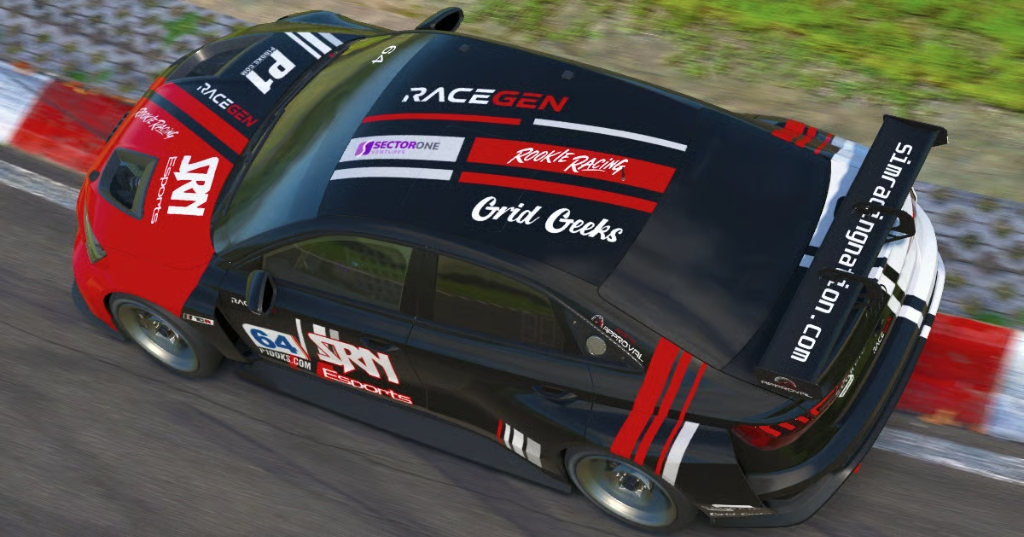
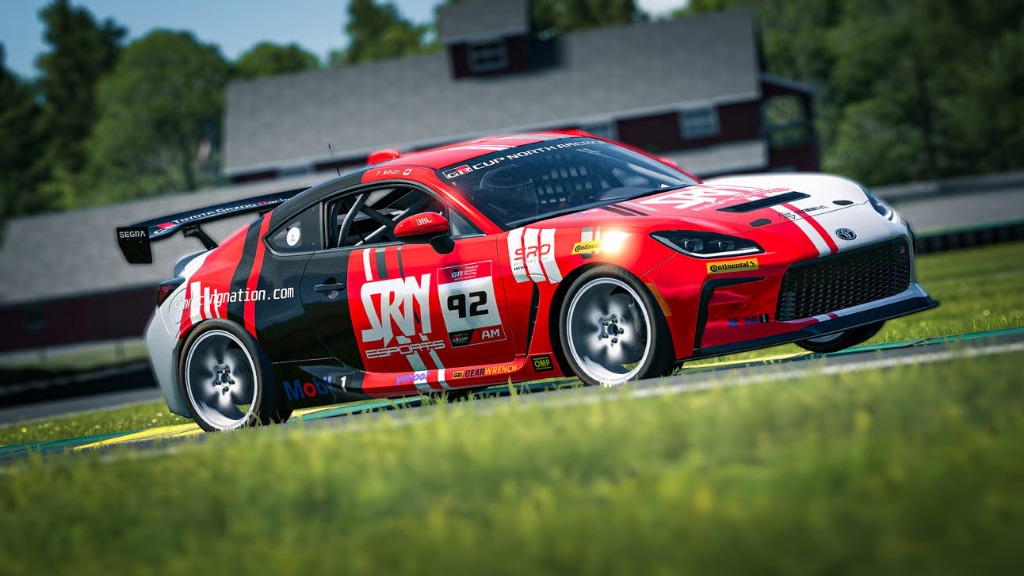
Make sure you catch Patrick in the Toyota Gazoo GR Cup series running for us at SRN Esports, and read his original Grid Geeks member interview feature.