When you buy a direct drive wheelbase and bolt it to your rig, you expect to get the full strength the motor inside was built to deliver. You already bought the motor and the electronics on your desk. Yet a frustrating trend has popped up in sim racing hardware: selling full-strength wheelbases with software limiters and charging customers a second time to unlock the rest of the torque.
Treating physical hardware like paid DLC rubs people the wrong way and makes otherwise good hardware brands look like they are trying to squeeze extra fees out of their customers.
Selling a 10 Nm direct drive base at $499 USD is fair on paper, but charging $149 USD for a software unlock to 14 Nm means the 14 Nm motor is already sitting on your rig, held back by firmware until you pay again.
Every uDFP20 ships with the same 20 Nm MiGE motor inside, but moving up from 6 Nm through 9 Nm, 12 Nm, 15 Nm, and 20 Nm requires buying digital unlock codes at $99 USD per step.
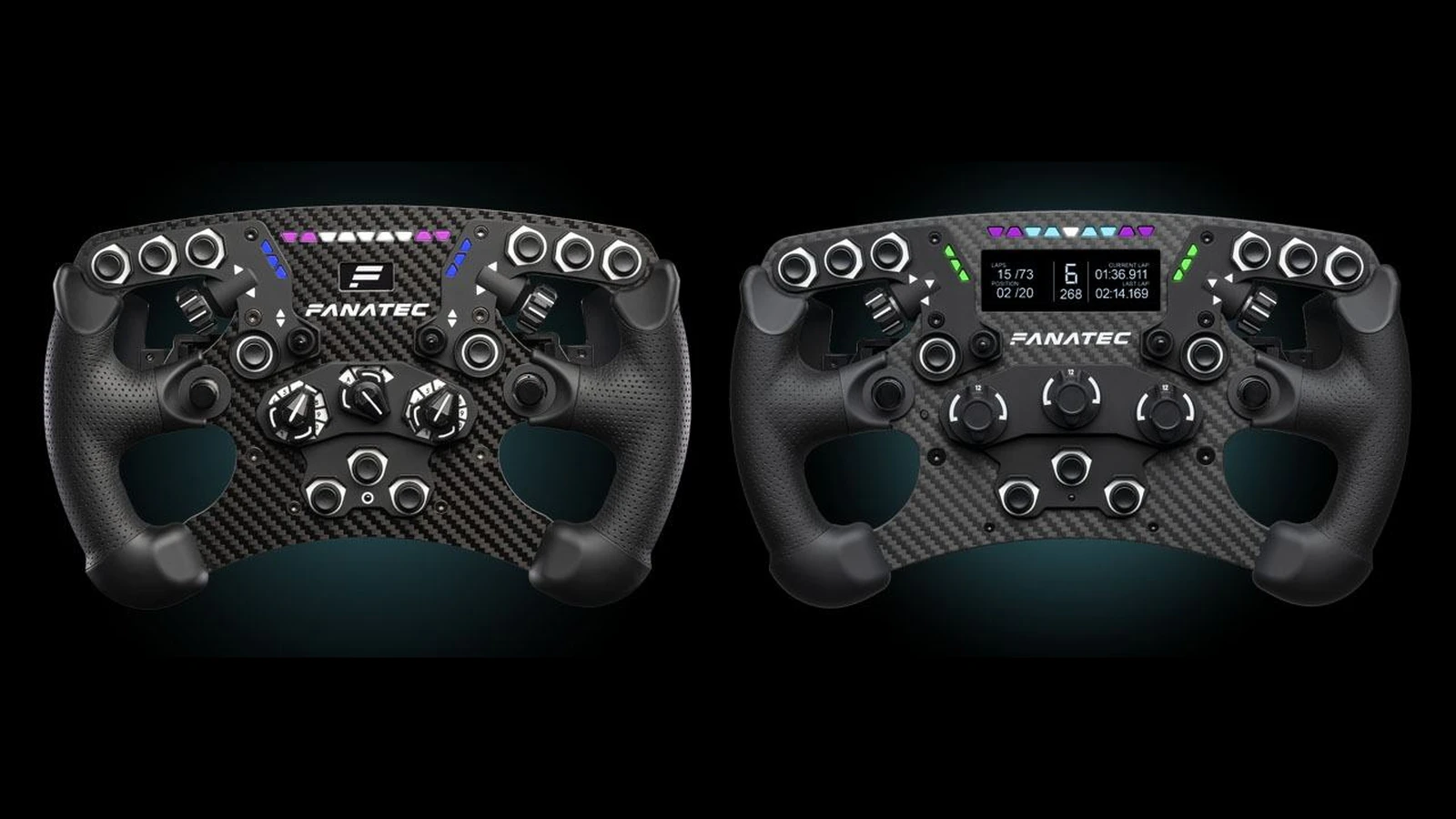
After testing thermal headroom, Fanatec increased the ClubSport DD from 12 Nm to 15 Nm and the ClubSport DD+ from 15 Nm to 18 Nm through a free firmware update.
"Software torque locks feel just like the car subscriptions drivers hate, such as paying a monthly fee to turn on heated seats that are already wired into the car. When you buy the hardware, you should get its full performance."
Why Real Value Wins Out
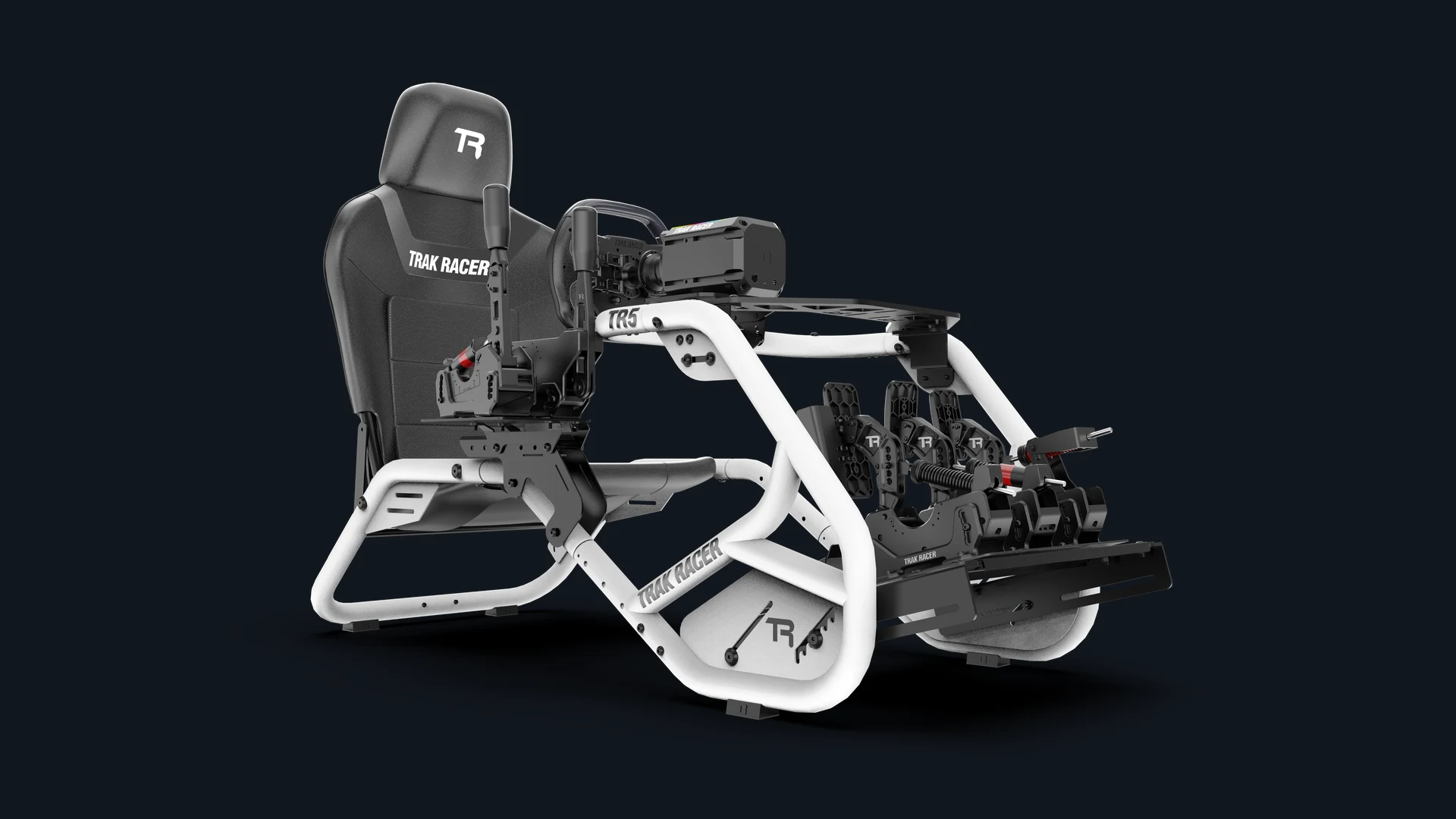
Sim racers do not mind spending money when they are getting real hardware for it. When you upgrade to an aluminum profile rig from Advanced SimRacing with code SIMRACINGNATION5 or a sturdy chassis from Trak Racer, you can see and feel what you paid for when a 15 Nm or 20 Nm wheelbase stays solid under load.
If a wheelbase motor is built to run safely at 14 Nm or 20 Nm without overheating, let people use what they paid for from day one, or do what Fanatec did with the ClubSport DD and DD+ and release extra firmware performance for free.