For a decade, the standard upgrade path for every sim racer was identical: ditch cheap potentiometer pedals with no feeling to them and bolt a stiff load cell brake onto your rig. Load cells taught drivers to brake by muscle pressure rather than foot travel, which shaved tenths off lap times. Yet a passive stack of rubber elastomers have one massive blind spot. They feel completely dead when the front tire locks up or when GT3 ABS starts chattering over a wet curb.
"Compressing a silent block of rubber tells your foot how hard you are pushing, but it never tells you what the front tires are doing on the asphalt."
Over the next twelve months, static load cell pedals without active feedback will start collecting dust on the used market. Just as direct drive wheelbases wiped out belt-driven wheels once prices dropped under $600 USD, motor-driven active pedals are moving down from $2,000+ USD flagship territory into sub-$1,000 USD mid-range rigs.
From Simucube ActivePedal to Moza mBooster
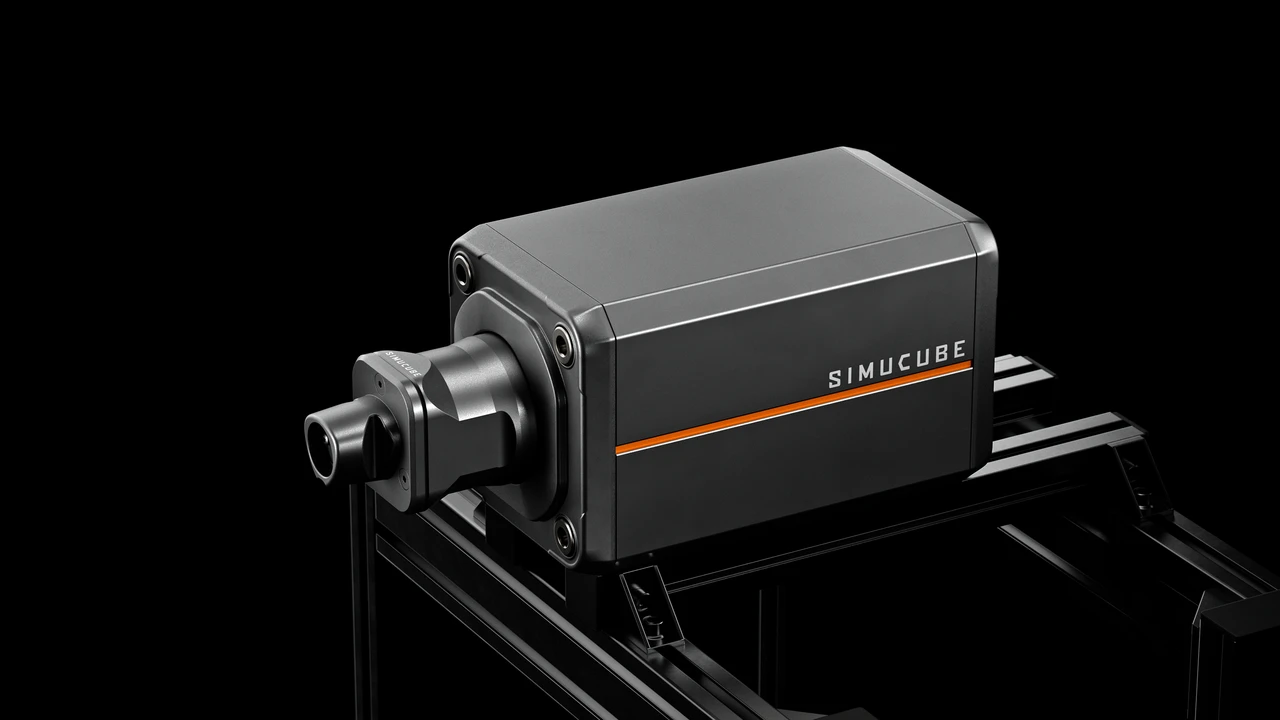
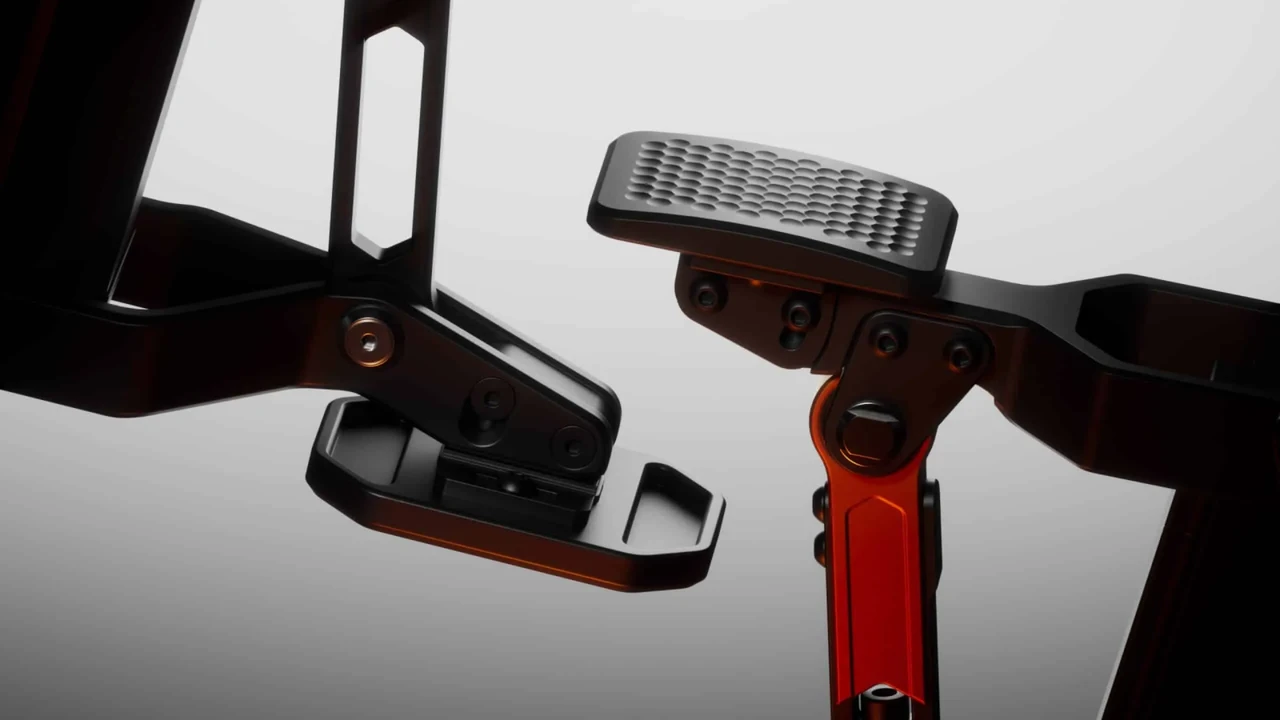
Simucube proved the concept first with the ActivePedal Ultimate and the more accessible ActivePedal Pro, replacing physical springs and elastomers with an industrial ball-screw servo motor capable of up to 110 kg to 170 kg of force. Instead of unbolting grease-covered rubber spacers to switch from a stiff Formula brake to a long-travel road car pedal, you click a profile in Tuner software and the motor changes travel, preload, and resistance curves in two seconds.
 Moza Racing
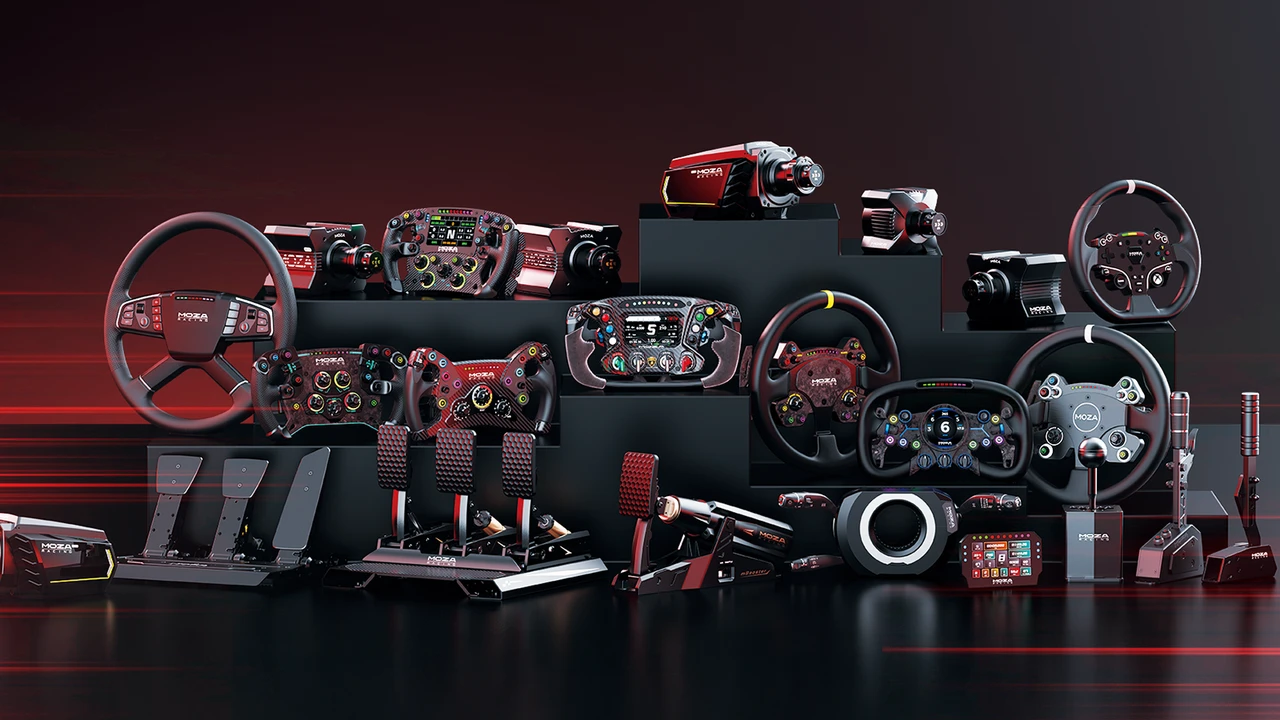
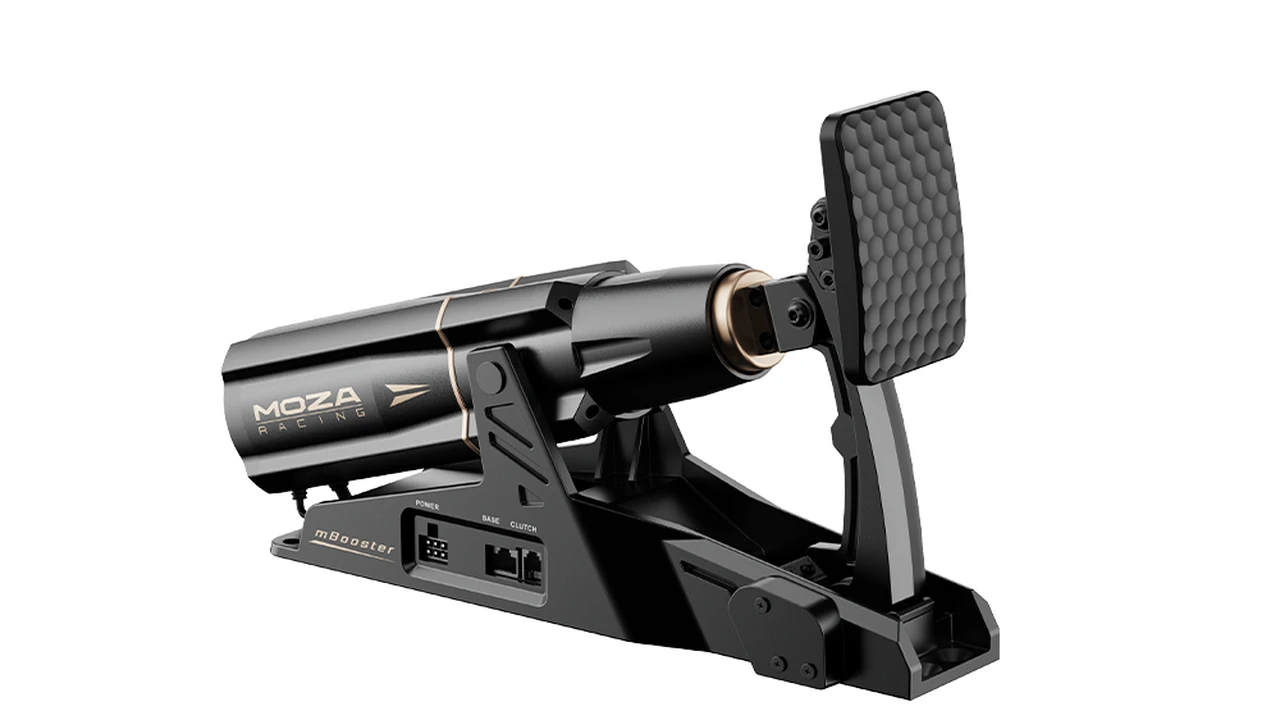
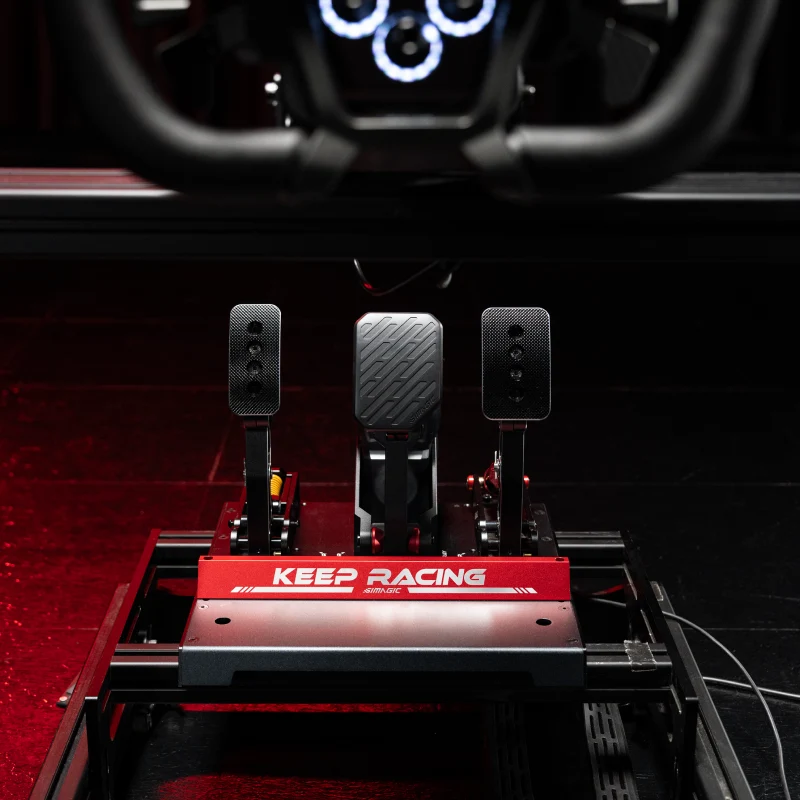
 accelerated that shift by launching the mBooster Active Pedal around the $799 USD mark, pairing a compact servo motor and dual-load-cell sensor array that bolts straight onto a CRP2 pedal base. With Simagic also unveiling its P-Active force-feedback pedal architecture in Frankfurt, active pedals are no longer a single-brand luxury item.
 Simagic
Why True Servo Force Beats Cheap Rumble Motors
In a real GT3 car at Spa or Monza, the brake pedal kicks back against your foot the instant the ABS comes alive. Small coin-cell vibration motors bolted to a passive load cell pedal only buzz the pedal face at a fixed frequency. A true active pedal dynamically pushes back against 90 kg of leg force, softens slightly as the front tires lose grip on trail-braking entry, and lets you switch between a rock-hard prototype brake and a soft street clutch without touching an Allen key.