

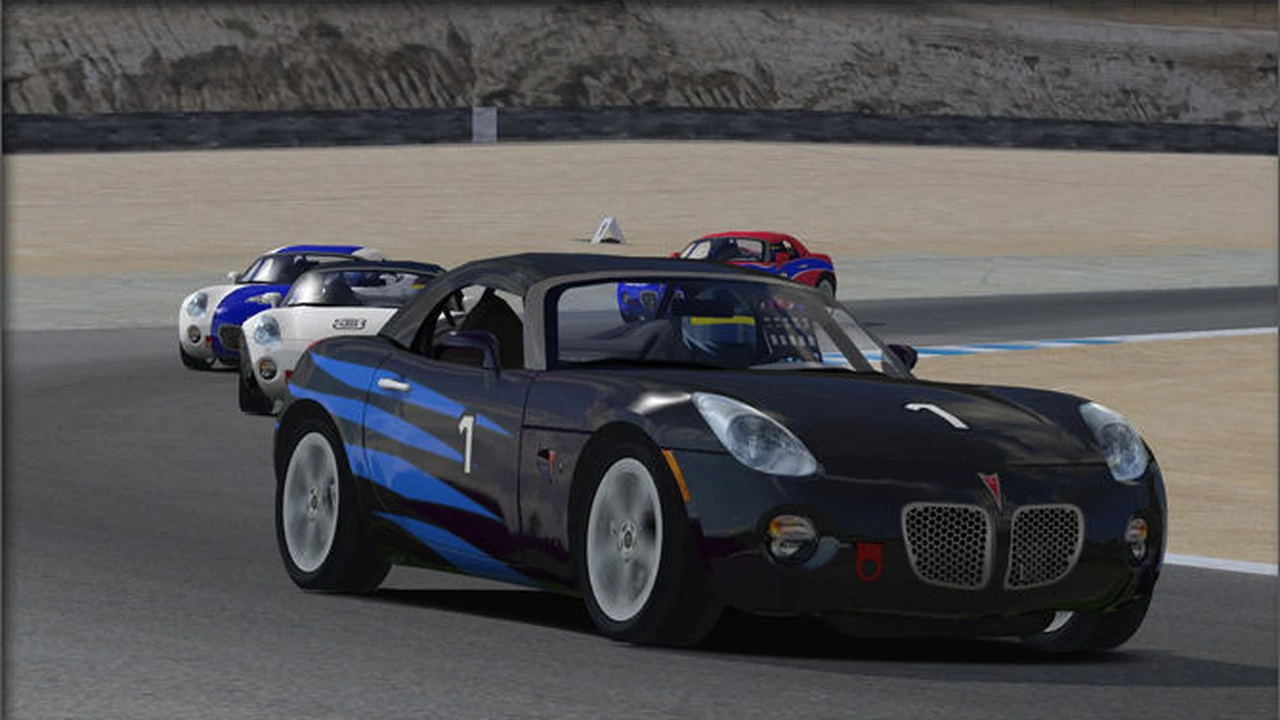
When iRacing opened to the public on August 26th, 2008, plenty of PC racers thought the pitch sounded crazy. Co-founders Dave Kaemmer, who previously built Papyrus classics like Grand Prix Legends and NASCAR Racing 2003 Season, and Boston Red Sox owner John Henry launched an online racing service that charged around $20 USD a month, or $13 to $15 USD on longer plans, for 11 cars and 20 tracks. There weren't any AI opponents, there wasn't any rain, and you launched every race from a plain browser menu.
Back in 2008, most drivers were used to buying a disc once and downloading free community mods on PC. Paying monthly for a handful of grassroots cars felt like a steep ask until you actually left pit lane. Right away, it became clear Kaemmer's team wasn't chasing arcade lobbies or quick casual lappers.
What Set It Apart at Launch
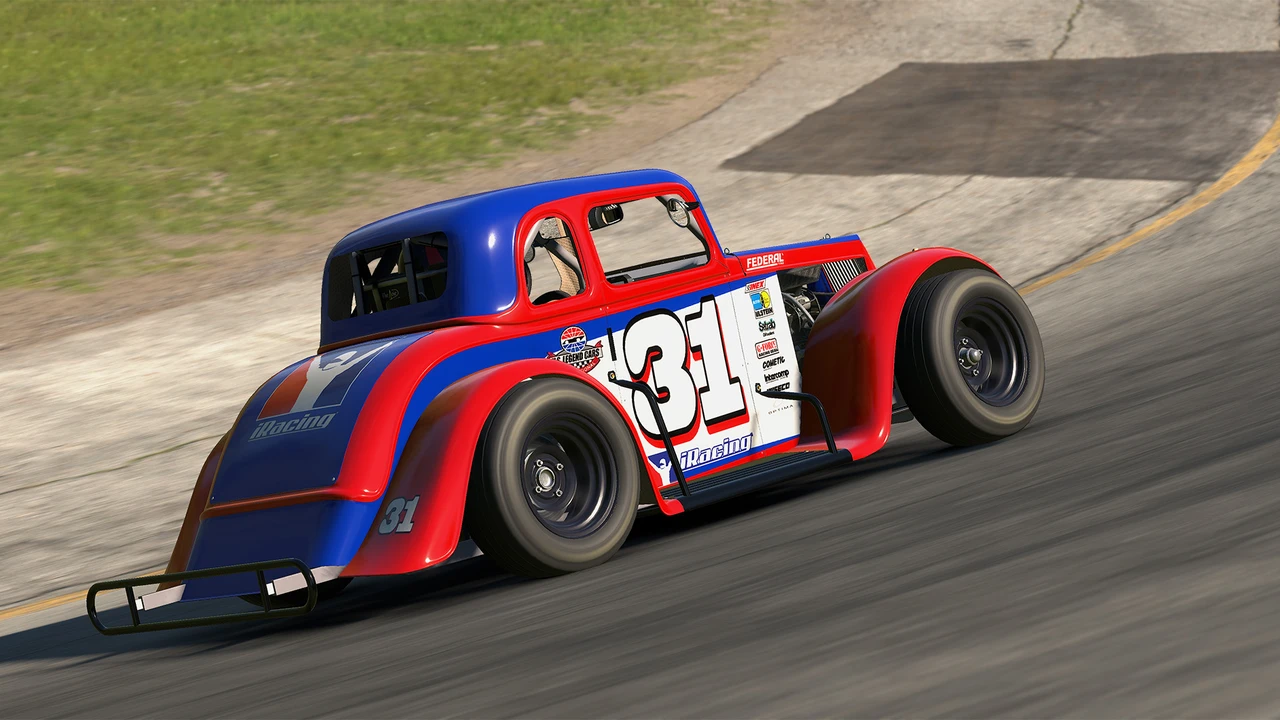
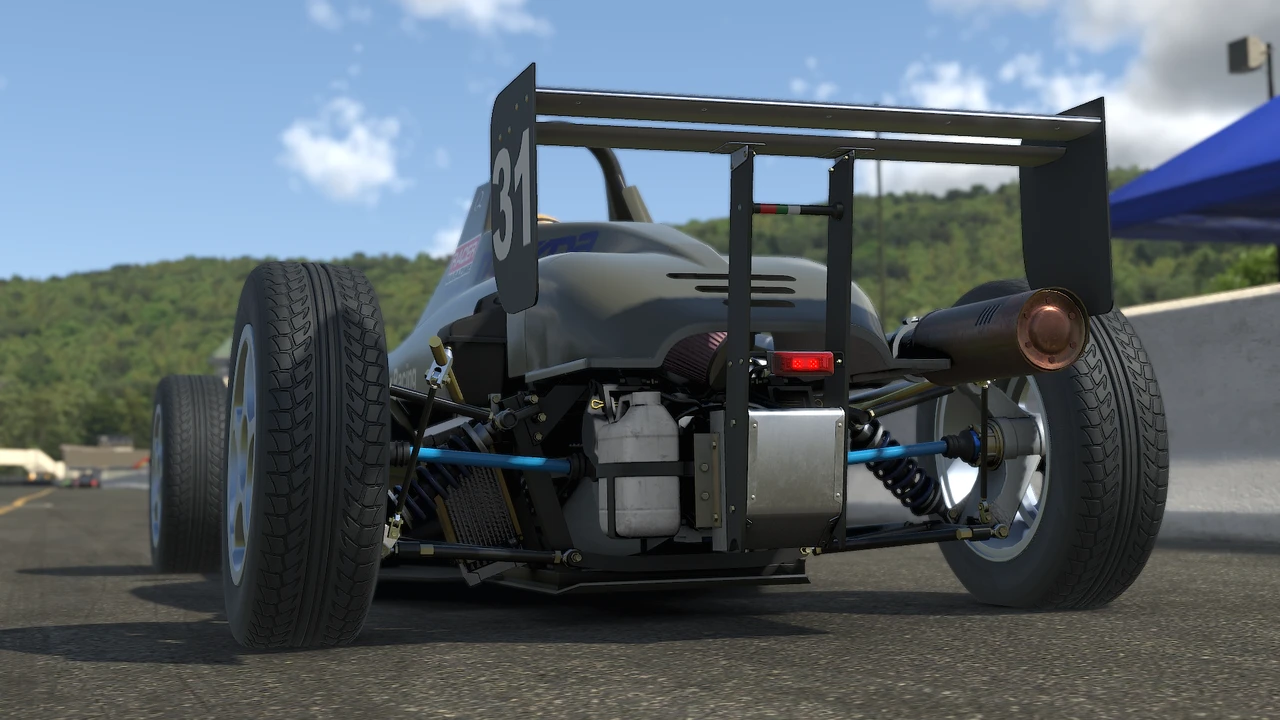
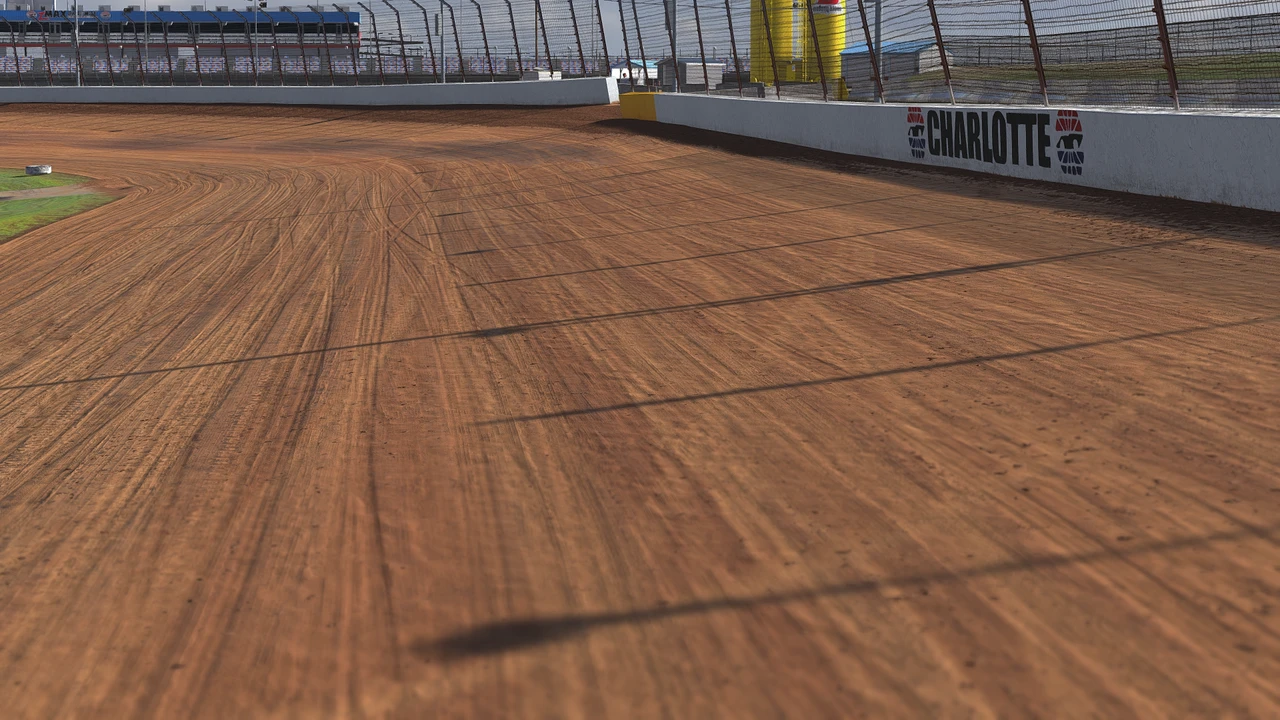
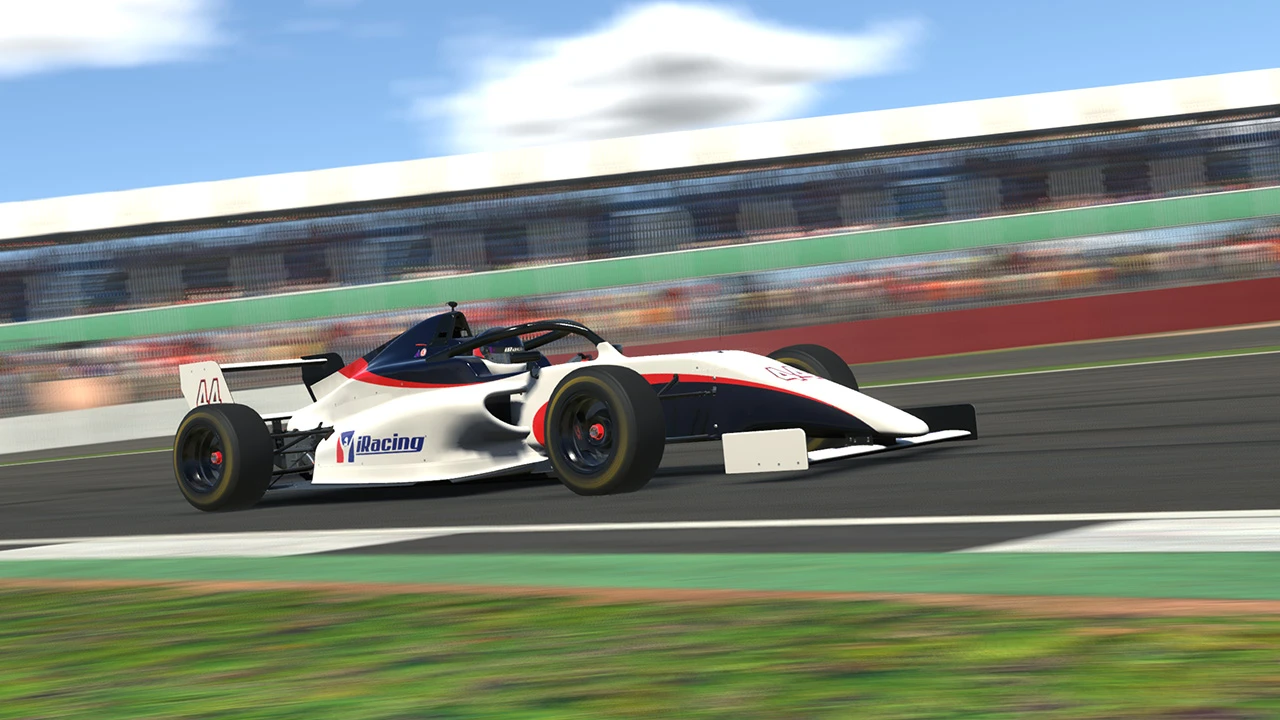
Instead of building massive car lists, the 2008 launch focused on laser-scanned replicas of real circuits like Lime Rock Park, Laguna Seca, Summit Point, and Charlotte Motor Speedway. Every bump before a braking zone and every cambered corner matched the real track surface you saw on television. You started out in grassroots cars like the Pontiac Solstice, the Legends Ford '34 Coupe on short ovals, and the Skip Barber Formula 2000.
Just as important was the Safety Rating and iRating license ladder. You couldn't jump straight into faster prototype or stock car grids on day one. You had to prove you could survive a 20-lap race without wrecking half the field, and hourly official sessions meant there was always a populated split waiting when you got off work.
How It Drove Back Then
Anyone who strapped into a Logitech G25 wheel in late 2008 remembers how unforgiving that early tire model felt. Cold tires had almost zero grip on lap one, and sliding past the limit of the front tires punished you fast. You couldn't just mash the throttle out of a corner or stab the brake pedal late like you could in console racers.
In the Skip Barber Formula 2000 or Pontiac Solstice, the whole game came down to smooth hands, gentle trail braking, and carrying corner speed up the hill at Lime Rock. When you scrubbed too much speed, the lap timer let you know immediately. When you nailed a clean pass into the Corkscrew at Laguna Seca, it felt earned in a way no other online lobby offered.
 iRacing
Where the Game and Community Are Now
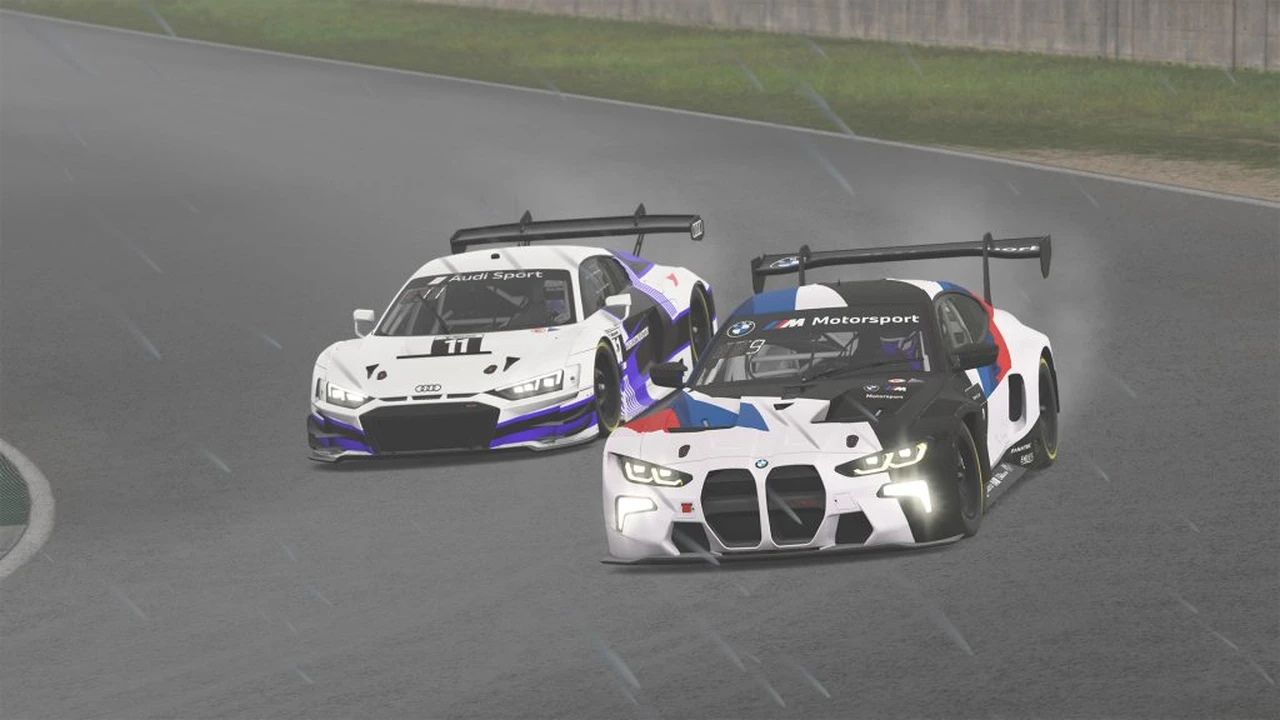
Eighteen years after that August 2008 debut, the service looks nothing like its barebones launch build, even though the core license ladder hasn't changed. Today's iRacing runs full 3D dynamic rain through its Tempest weather system, complete with puddles, spray, and per-race weather changes across major official series. You can race full AI grids offline, climb FIA Formula 4 regional ladders, or watch major esports championships.
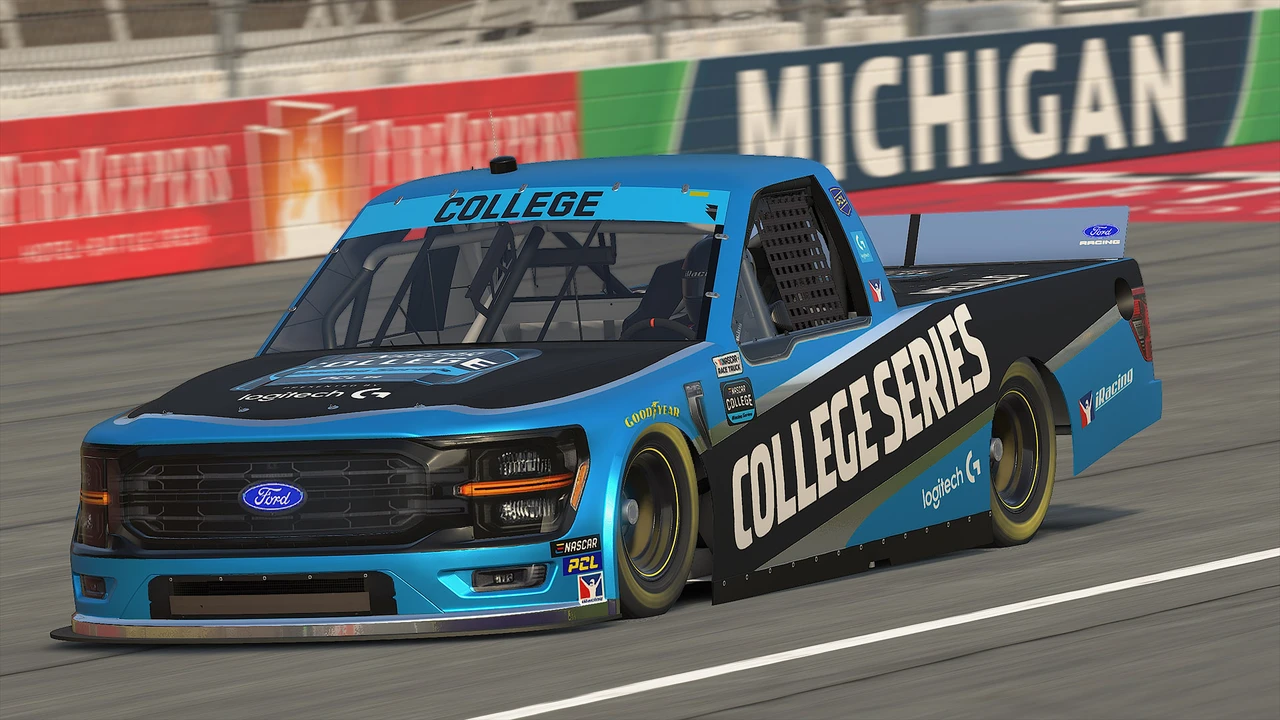
In December 2026, iRacing is also rolling out its single-player Career Mode across seven paths covering NASCAR, INDYCAR, Prototype, Formula, Sports Car, Touring Car, and Short Track, unlocking the cars and tracks you need as you progress with an active membership. Still, plenty of longtime members light up whenever anniversary throwback series bring back the Solstice, Skip Barber, and Lime Rock Park, because that 2008 formula still hits the spot.


Comments