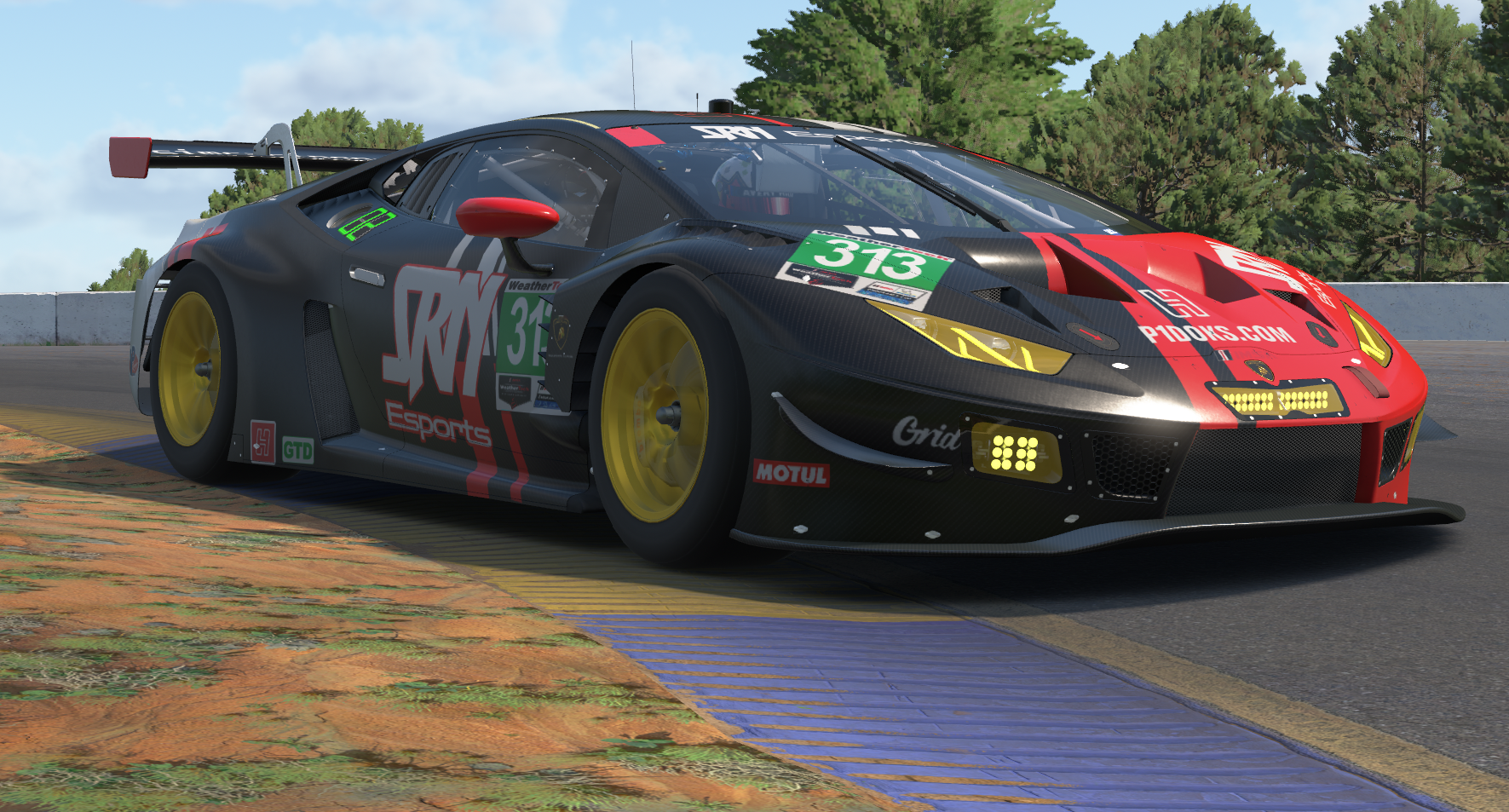
In iRacing, few setup adjustments transform handling as immediately as differential preload. When trail braking into tricky corners like Turn 1 at Watkins Glen or the downhill Corkscrew at Laguna Seca, the rear of a GT3 car can easily snap sideways as weight transfers onto the nose.
Differential preload determines the baseline friction torque that resists differences in wheel speed across the rear axle when you transition from full braking to turn-in. Understanding how this single setting stabilizes the car will save you countless spins.
How Preload Changes Corner Behavior
When your preload is set low (around 30 to 45 Nm), the rear axle unlocks quickly off-throttle. This makes the car rotate effortlessly into slow hairpins, but it can make corner-entry feel nervous and twitchy under heavy braking. If you jump off the brake pedal suddenly, the rear end can step out without warning.
Raising preload to between 70 and 95 Nm holds the rear wheels together more firmly. This adds tremendous confidence on turn-in, preventing snap-oversteer and letting you brake deeper with trailing brake pressure. However, setting preload too high will induce corner-entry push and cause sluggish turn-in response.
If the rear feels nervous on turn-in while braking, add 10 to 15 Nm of preload. If the car refuses to turn into apexes and understeers off-throttle, drop preload by 15 Nm.
Test in 3-Lap Stints
Jump into a private test session and tweak your preload by one or two increments at a time. Finding the sweet spot where the car pivots cleanly without feeling twitchy gives you the confidence to attack qualifying and race trim with zero hesitation.