

When Gran Turismo launched in Japan on December 23rd, 1997 before hitting North America and Europe in May 1998, plenty of PlayStation executives worried a realistic driving game would flop on consoles. Kazunori Yamauchi and a small team at Polys Entertainment, soon renamed Polyphony Digital, had spent five years pushing Sony's gray box to its limits. Players proved the suits wrong, buying 10.85 million copies and making it the top-selling game on the original PlayStation.
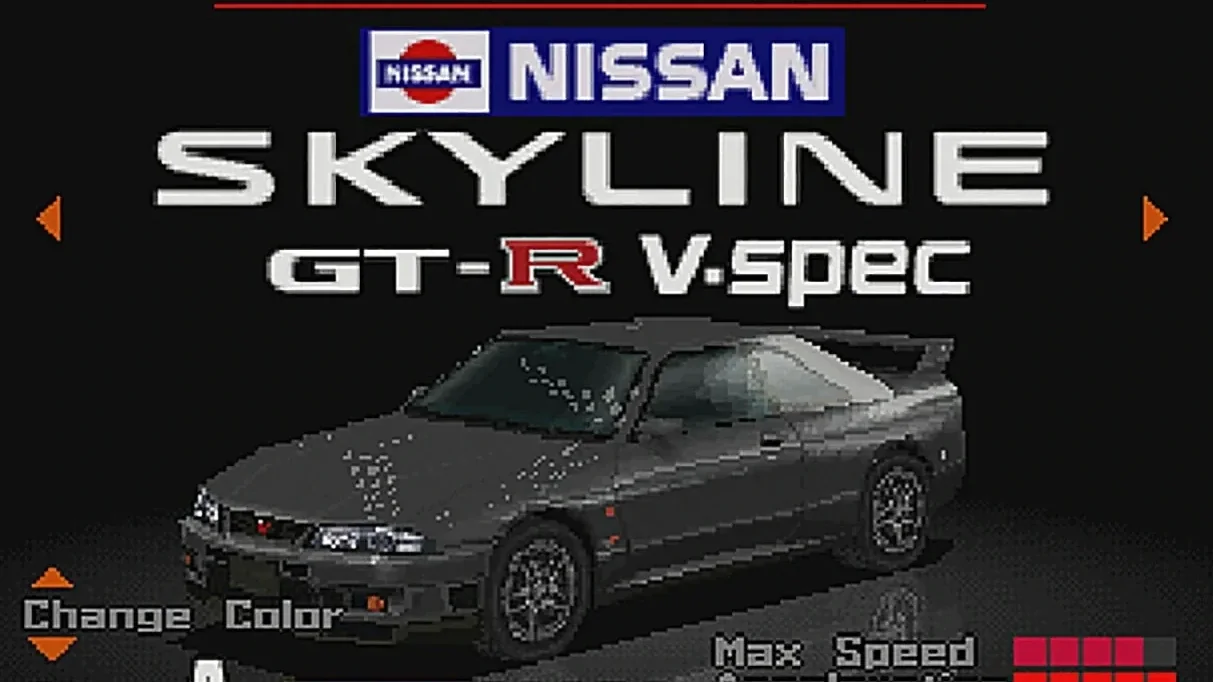
What hooked everyone wasn't just the shiny replays or licensed badges. It was the career loop that dropped you in with 10,000 credits, sent you straight to the used car lots to buy a beat-up Japanese coupe, and forced you to earn your way onto faster grids.
How the Original Built the Foundation
Gran Turismo packed 140 licensed production and racing cars alongside 11 tracks you could run forward or in reverse. Circuits like Trial Mountain, Deep Forest Raceway, High Speed Ring, Autumn Ring, Grand Valley Speedway, and Special Stage Route 5 didn't exist in the real world, yet every crest and tunnel burned itself into memory.
Instead of handing you every race on a platter, the game split into Arcade Mode for quick sessions and a deep career mode built around License Tests. Before entering the faster championships, you had to pass braking, cornering, and slalom drills for your B, A, and International A licenses. Those tests taught millions of console kids how weight transfer, racing lines, and throttle control actually worked.
 Gran Turismo
It also showcased Sony's DualShock controller at the exact right time. With twin thumbsticks and rumble feedback, you didn't have to tap directional buttons flat-out anymore. You could feed in partial steering, feather the gas, and bolt on turbos, tires, exhausts, and weight reduction to turn a cheap street car into a weekend giant-killer.
The Sequel Jump Forward
Polyphony took that 1997 blueprint and scaled it up across every PlayStation generation that followed. Gran Turismo 2 and Gran Turismo 4 ballooned the garage into hundreds of cars and added real-world circuits like Laguna Seca and the Nürburgring. Later chapters brought online lobbies, tighter braking physics, and the FIA-backed competitive framework in Gran Turismo Sport that pulled living-room racers straight into wheel-and-pedal rigs.
Where the Series Stands Today
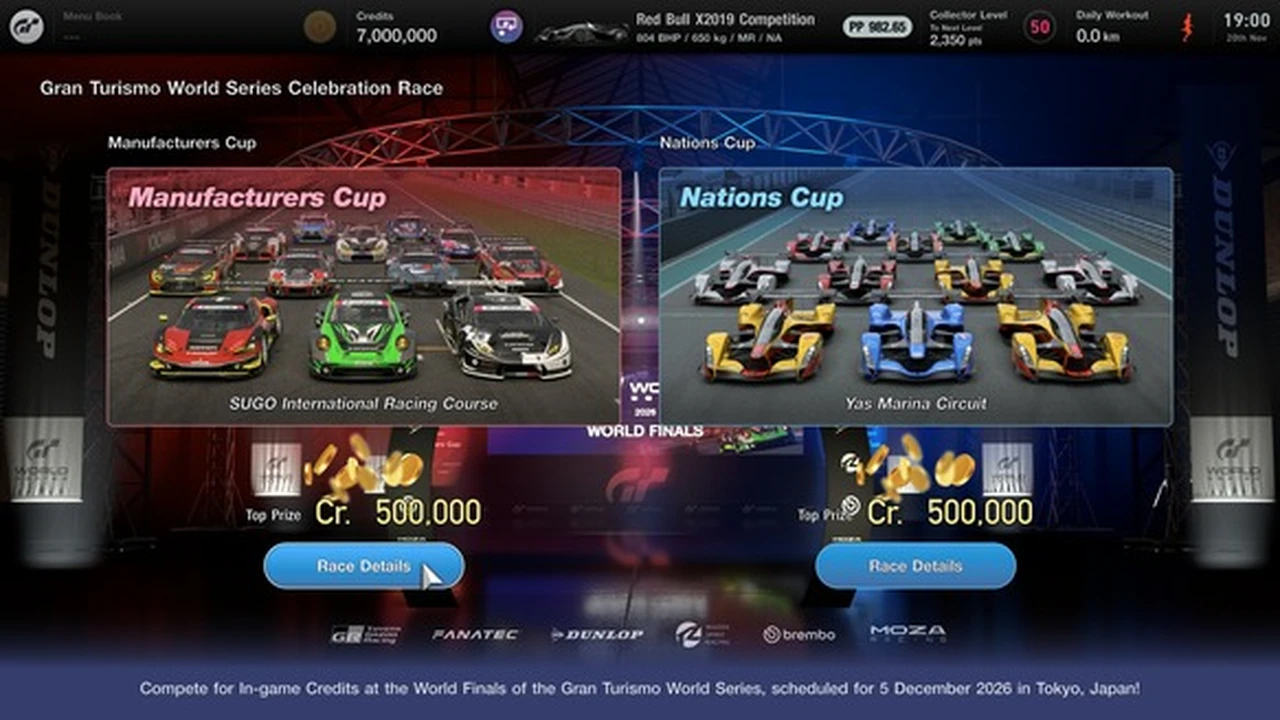
Nearly three decades after that 1997 debut, Gran Turismo 7 on PS4 and PS5 still runs on the exact same loop of collecting cars, tuning parts, and chasing gold times on license tests. Drivers today can race the entire game inside PSVR2 headsets, while the best Sport mode qualifiers compete live in the Gran Turismo World Series heading into the Tokyo World Finals on December 5th and 6th, 2026.
Polyphony is even bringing the franchise full circle right now with its two-part Spec IV free update. Part 1 landed on October 15th, 2026 with Sportsland SUGO, and Part 2 arrives in December 2026 with a new Shuffle Race, Online Drift Trial, Gran Turismo Sophy updates, and the return of 1997 classic Autumn Ring alongside an expanded layout. Almost 30 years on, those original tracks still refuse to retire.
 Gran Turismo
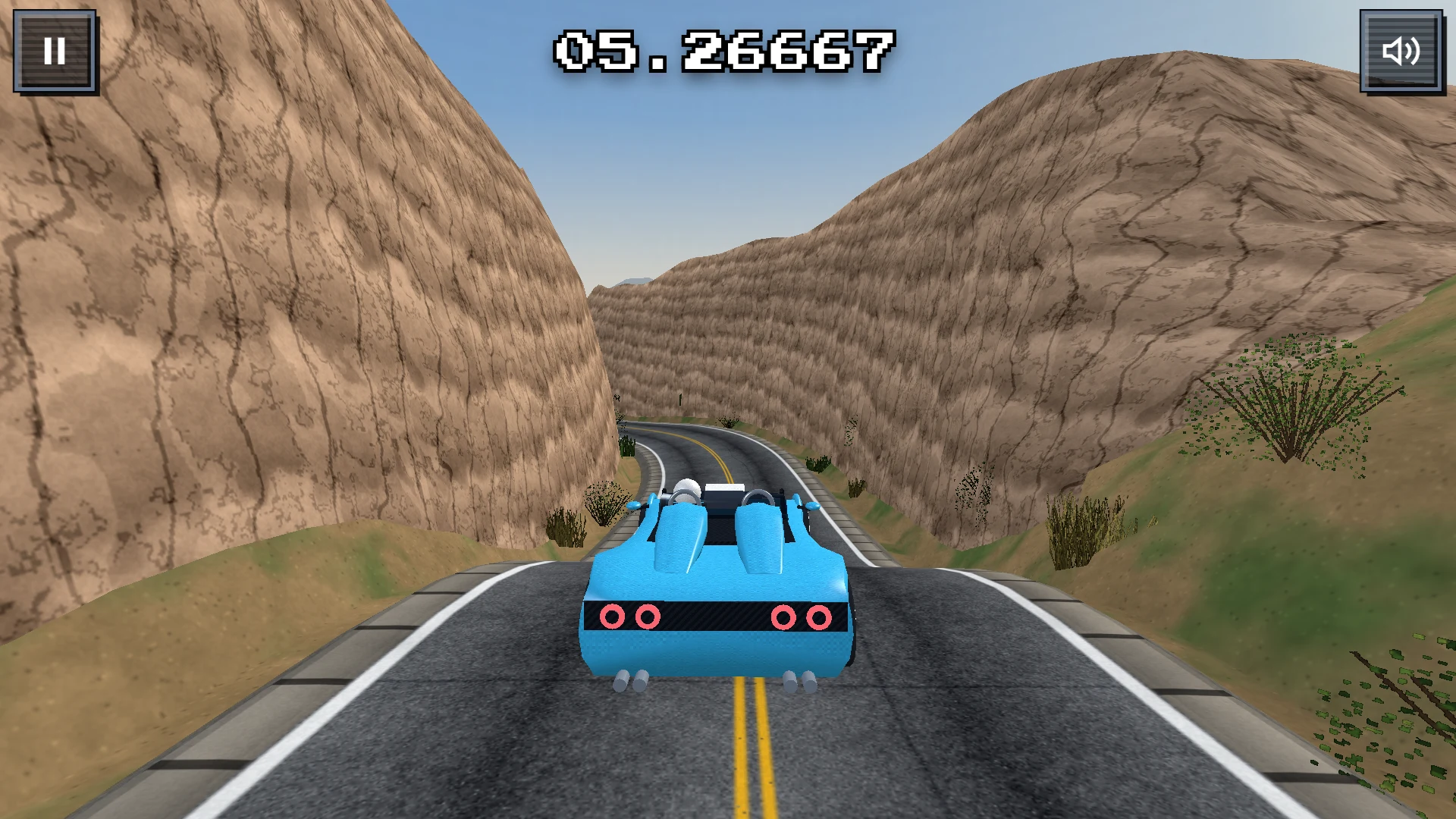
Are you looking for that classic console feel across multiple platforms? Give Send it Challenge a try below.
Sim Racing Nation - Send it Challenge
Can you top the leaderboards? Play on Mobile, Desktop or VR — from touchscreens to racing wheels. Jump into different car and track combos daily.







Comments