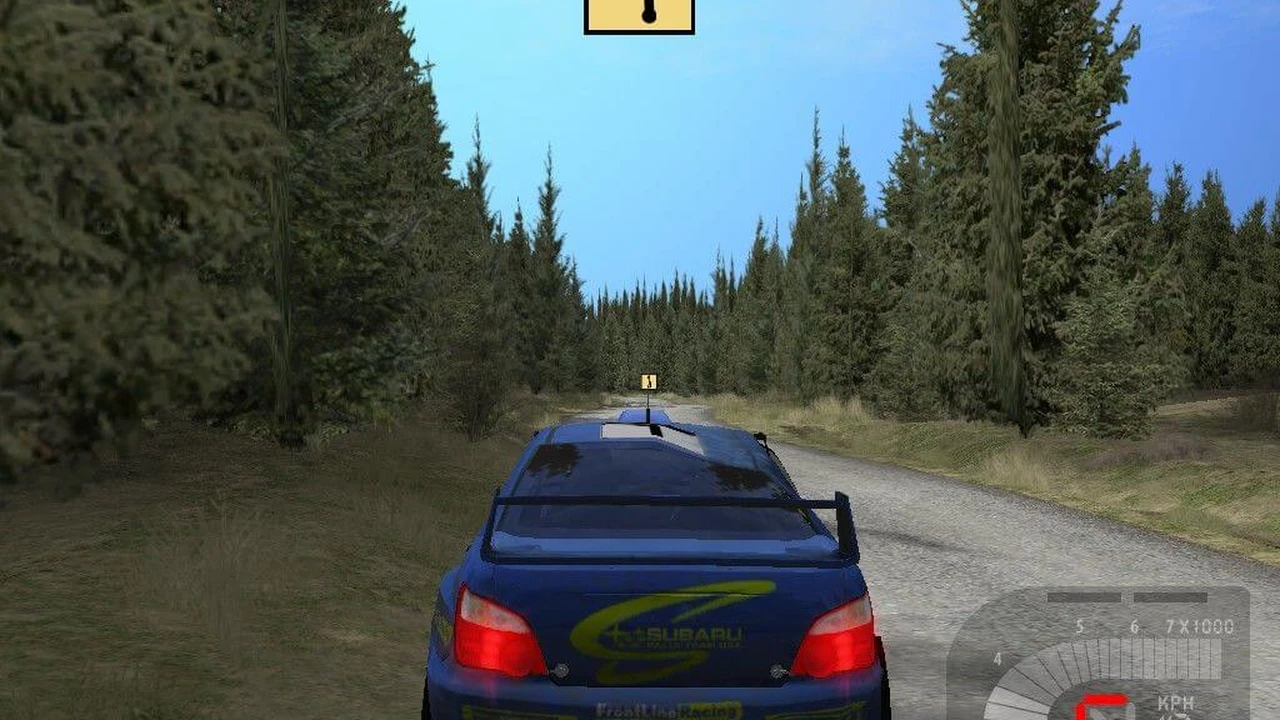
When Scawen Roberts, Eric Bailey, and Victor van Vlaardingen put the first Live for Speed test build online in 2002 and shipped Stage 1 in July 2003, big retail publishers were chasing console licenses and glossy menus. The three-person UK and Dutch studio skipped retail shelves completely and sold unlock keys straight from lfs.net. Drivers downloaded one tiny installer, joined a Blackwood GP server in minutes, and immediately ran tight wheel-to-wheel races over early broadband connections.
Even with modest 2003 visuals, Live for Speed punched way above its size. While many PC racing games treated tires as simple grip tables, LFS modeled real-time sidewall flex, heat buildup across individual zones, and visible flat spots when you locked an inside front tire into Turn 1.
What Set It Apart at Launch
Live for Speed opened its doors to everyone without demanding an expensive wheel setup on day one. Alongside direct-input steering wheels and manual H-pattern clutches, its smooth mouse steering let thousands of dorm-room and desk racers catch oversteer with precision before they ever bought pedals. Players could also drop cones, ramps, and barriers anywhere on wide asphalt lots to build custom autocross courses and drift layouts inside multiplayer lobbies.
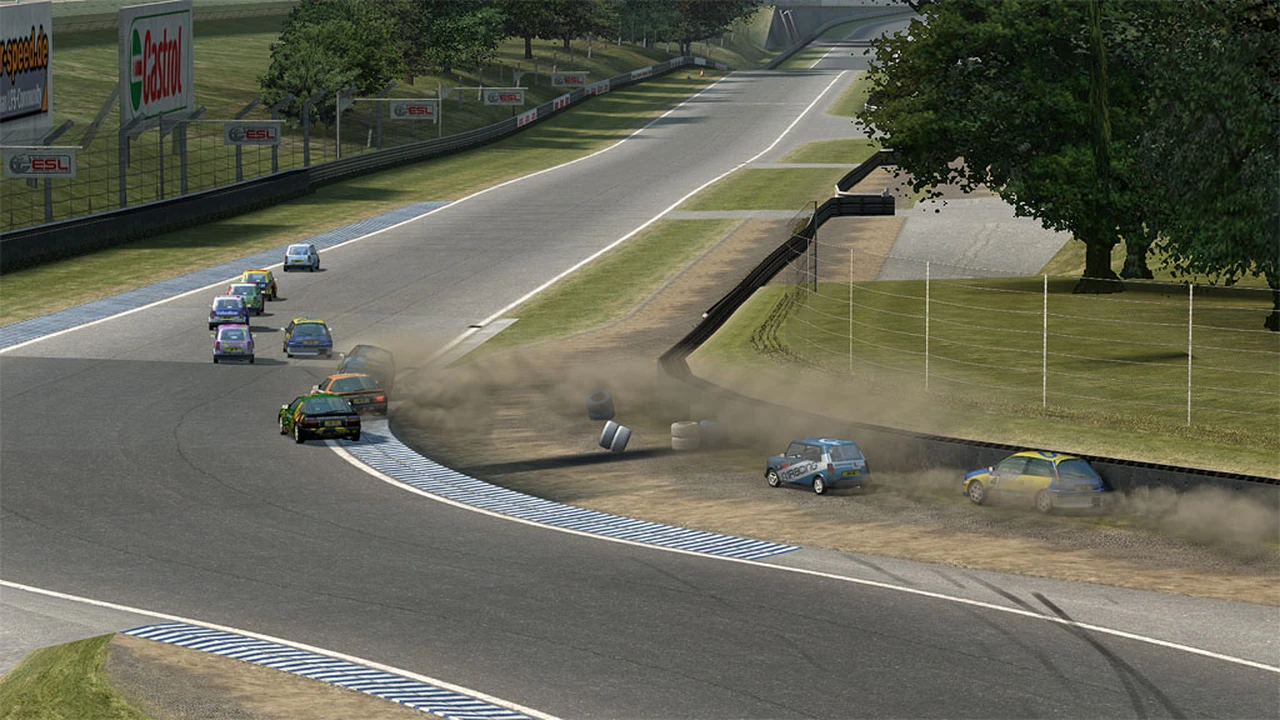
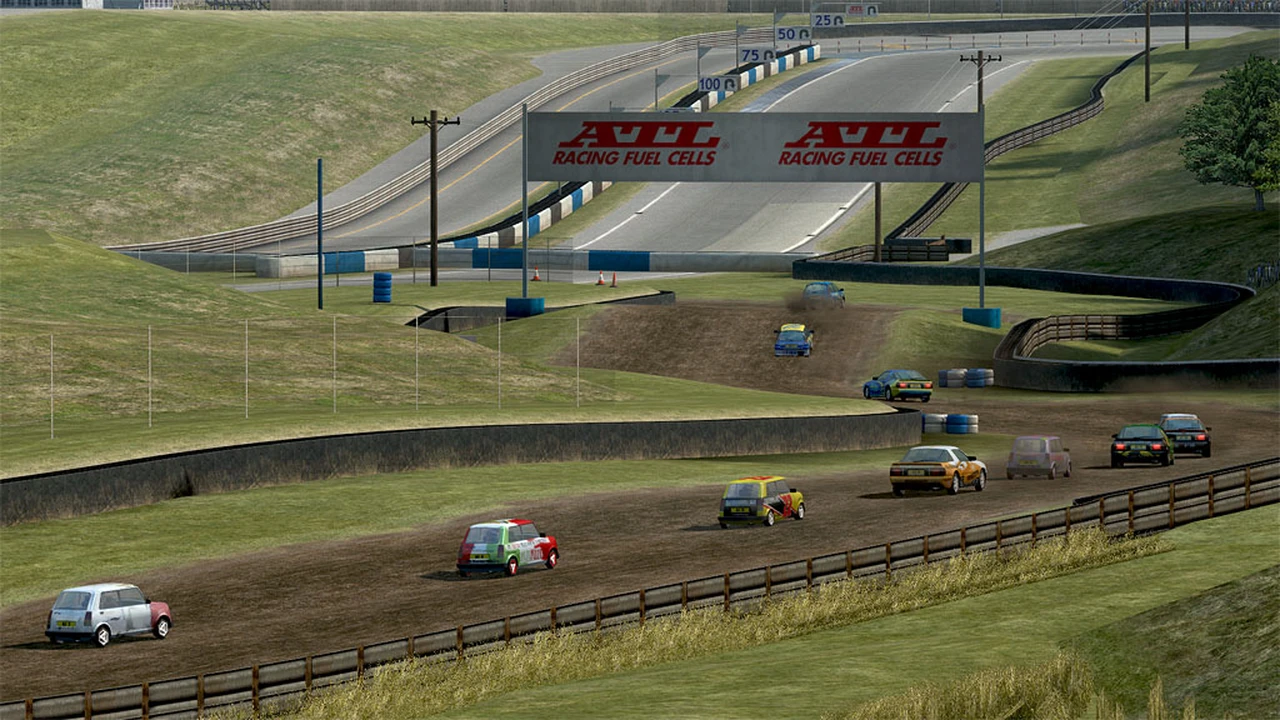

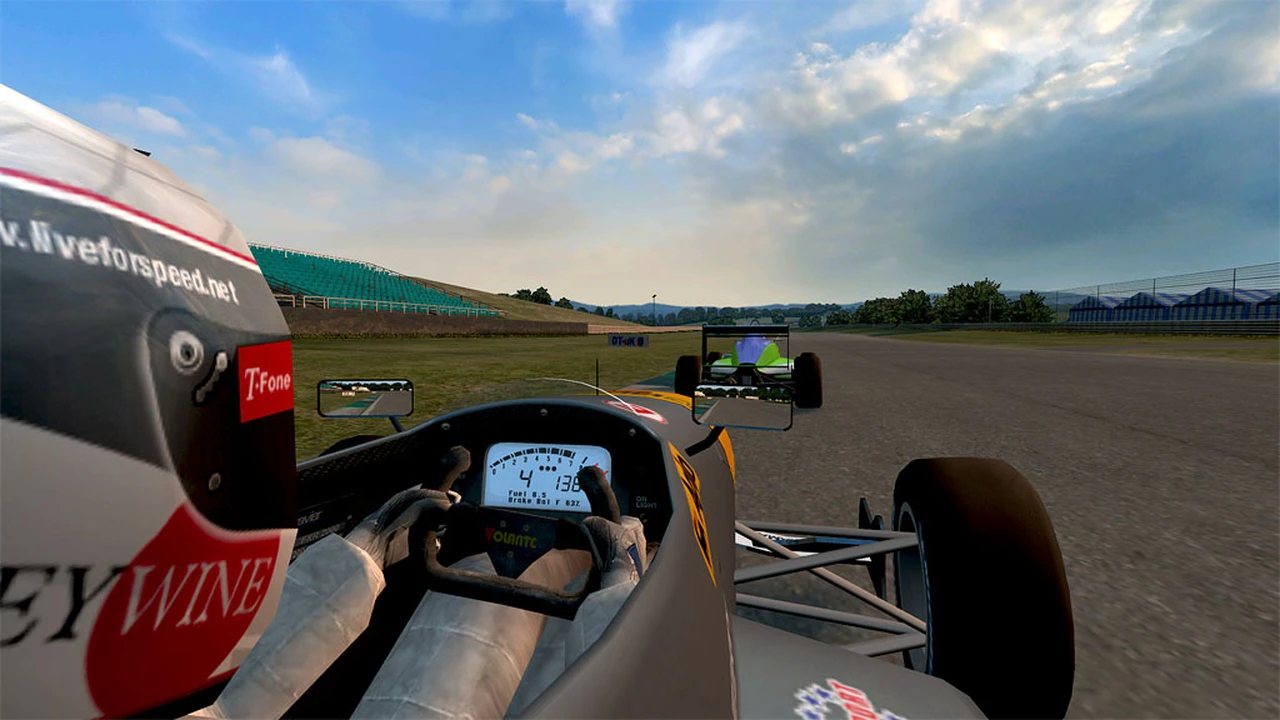
Stage 2 (S2) pushed that physics foundation onto bigger circuits like Westhill, Kyoto Ring, Aston, and the tight brick streets of South City. Later updates brought official partnerships with Formula BMW and the BMW Sauber F1.06 in 2007, giving everyday PC drivers a chance to push an active F1 car without waiting on a big-budget yearly release. LFS also became one of the very first racing sims to run native Oculus Rift VR support back in 2013.
How It Drove Back Then
Most newcomers cut their teeth in the front-wheel-drive XF GTI or the lively rear-wheel-drive XR GT around Blackwood. Because the sim updated suspension and tire loads smoothly at high speed, sliding a hatchback sideways over the curbs felt predictable instead of snappy. Push too hard into the hairpin on cold rubber and you felt the front end wash wide, then watched your lap time climb once you cooked the left-front tire.
 Live for Speed
Where the Game and Community Are Now
More than two decades later, the same independent team still runs Live for Speed from lfs.net. Drivers today can download either the classic DirectX 9 version 0.7G for older hardware or jump into the 0.8C public test build, which adds a rebuilt Direct3D 11 lighting engine, full 24-hour sun cycles, upgraded tracks like Kyoto Ring and South City, 1000 Hz multithreaded physics, and grids expanded to 48 cars.
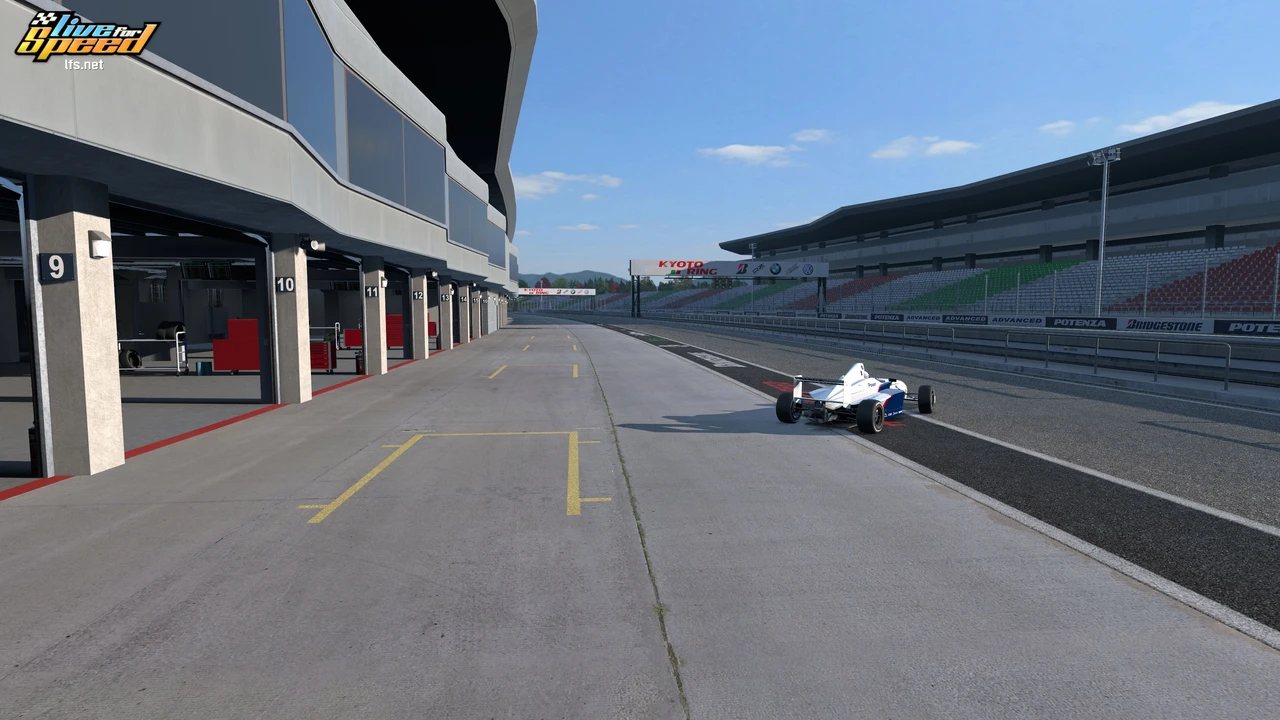 Live for Speed
Community vehicle mods number in the thousands through the built-in browser, and long-running leagues keep grids busy every week. Fragmaster's FOX Friday Endurance series recently reached Round 850 at Westhill International, proving a tiny 2003 indie download still draws serious racecraft 23 years on.
If you're looking for a quick pick up and go, jump into Sim Racing Nation's Send it game. Challenge friends across your phone or pc and fight for the top of the daily leaderboard. With VR Support, triple monitor support, direct drive wheels and more. This game will keep you hooked as the car and track changes daily.
Sim Racing Nation - Send it Challenge
Can you top the leaderboards? Play on Mobile, Desktop or VR — from touchscreens to racing wheels. Jump into different car and track combos daily.