Following its massive Historic Update earlier this month, RaceRoom Racing Experience has rolled out a welcome quality-of-life boost for Virtual Reality drivers: built-in Fixed Foveated Rendering (FFR) paired with native OpenXR runtime support that does not require an expensive eye-tracking headset.
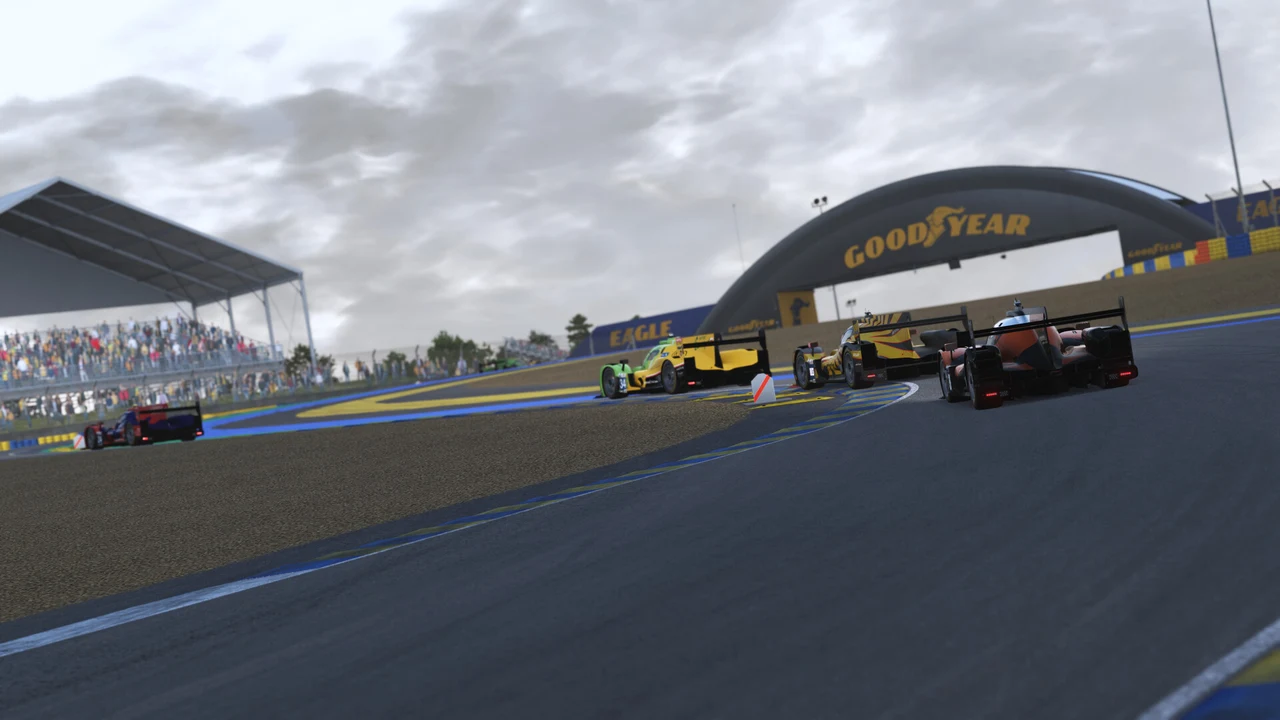
In VR sim racing, rendering 30 touring or GT3 cars into Turn 1 puts a huge load on your graphics card because the GPU has to shade millions of pixels at the very outer edges of the lenses where your eyes rarely look directly.
How Fixed Foveated Rendering Saves Framerates
Dynamic foveated rendering requires tiny infrared cameras inside the headset to track your pupils in real time. Fixed Foveated Rendering skips the eye cameras completely. Instead, it keeps the center sweet spot of your view—where you look at the apex, braking markers, and mirrors—at 100% full crisp resolution, while stepping down the pixel shading density around the far peripheral edges of the lens.
Dialing It In With High-Clarity Headsets
Because sim racers naturally turn their head toward the apex rather than staring out the corner of their eye, the peripheral shading drop is barely noticeable once you leave pit lane, yet it frees up significant GPU headroom to hold a locked 90 FPS in traffic. For drivers running high-resolution headsets from Pimax like the Crystal Light or Crystal Super, combining RaceRoom's native OpenXR pathway with foveated rendering keeps distant braking boards razor-sharp without frame drops on standing starts.