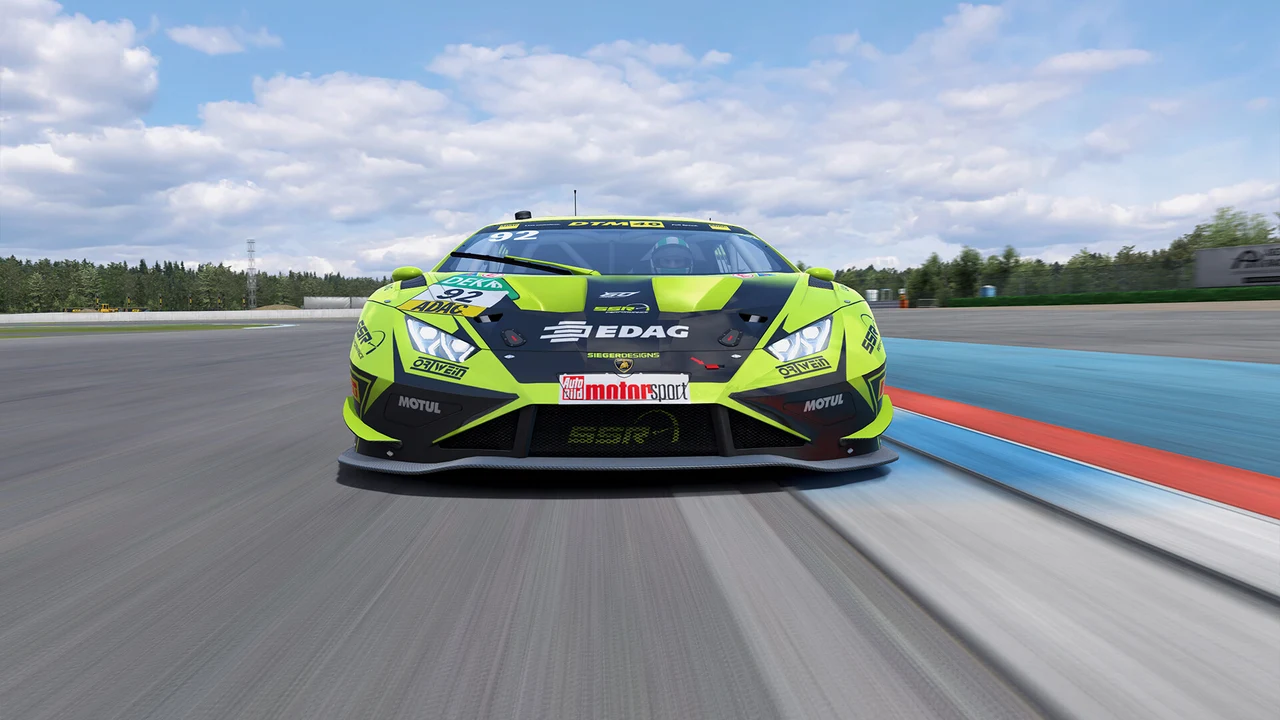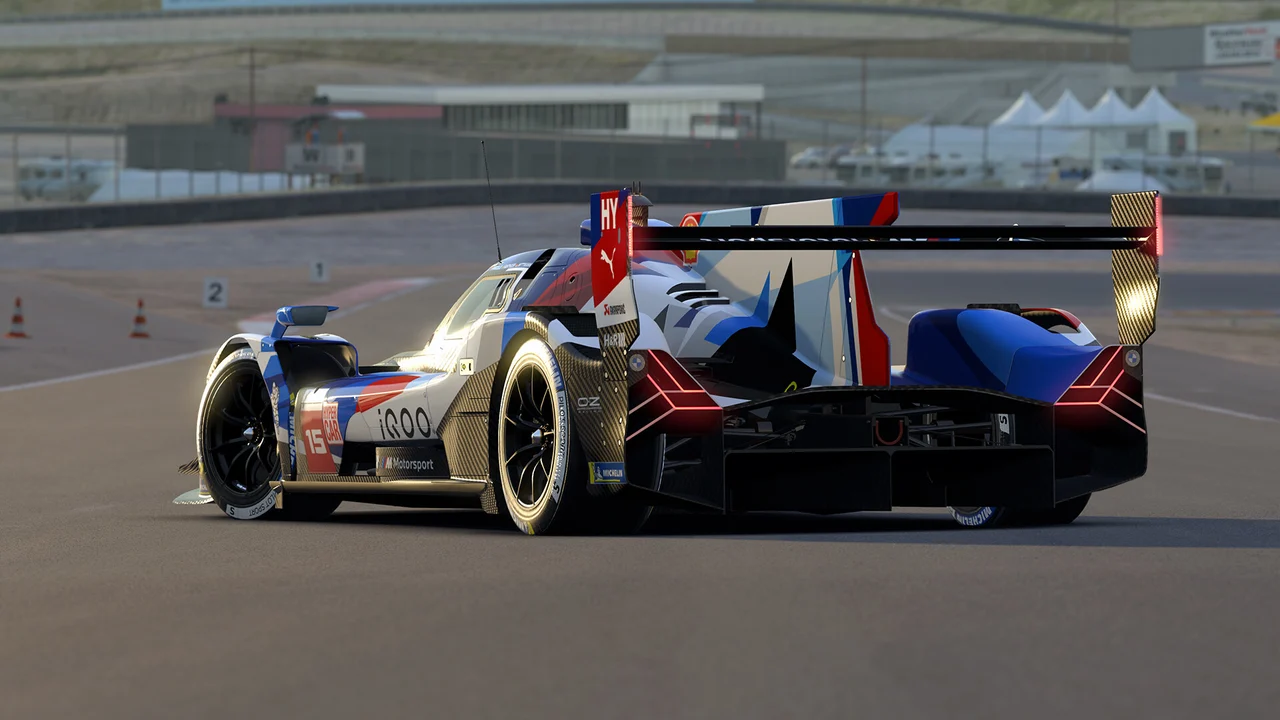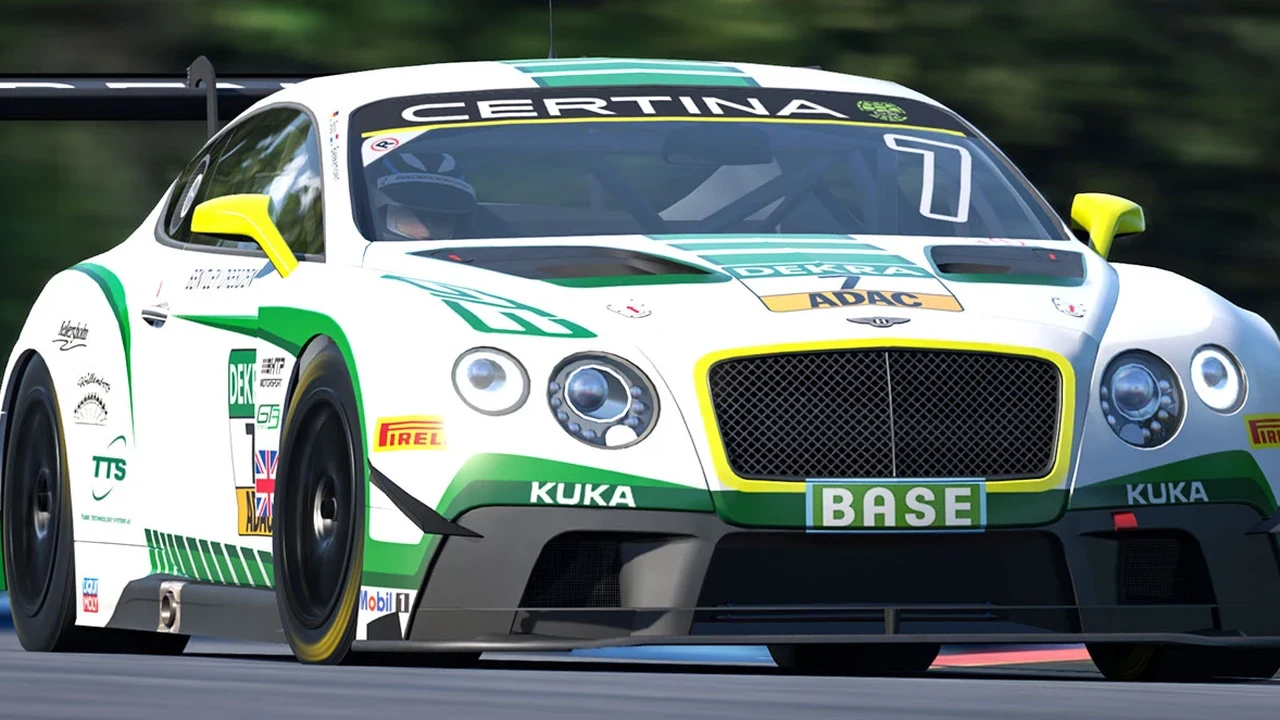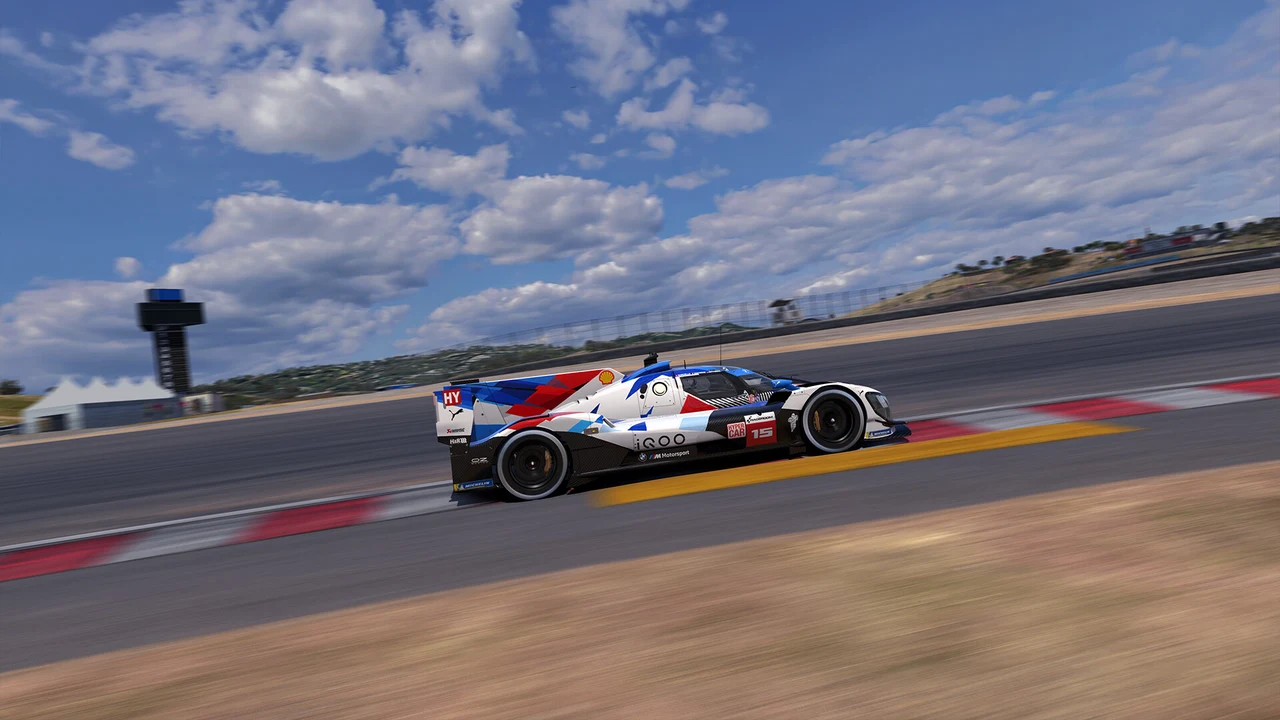
When KW Studios dropped the massive Historic Update 2026 for RaceRoom Racing Experience on October 21, the technical leap forward was immediately obvious from the first out-lap. Between the reworked force feedback rack feel, native OpenXR support for VR headsets, and a cleaner modern UI, the classic touring car sim feels sharper behind the wheel than it has in years.
At the same time, the first week after launch has sparked an honest debate across the sim community over post-patch multiplayer hiccups and whether the $49 USD Historic Pack price tag helps or hurts online grid numbers.
Where the Update Shines and Why Pricing Divides Drivers
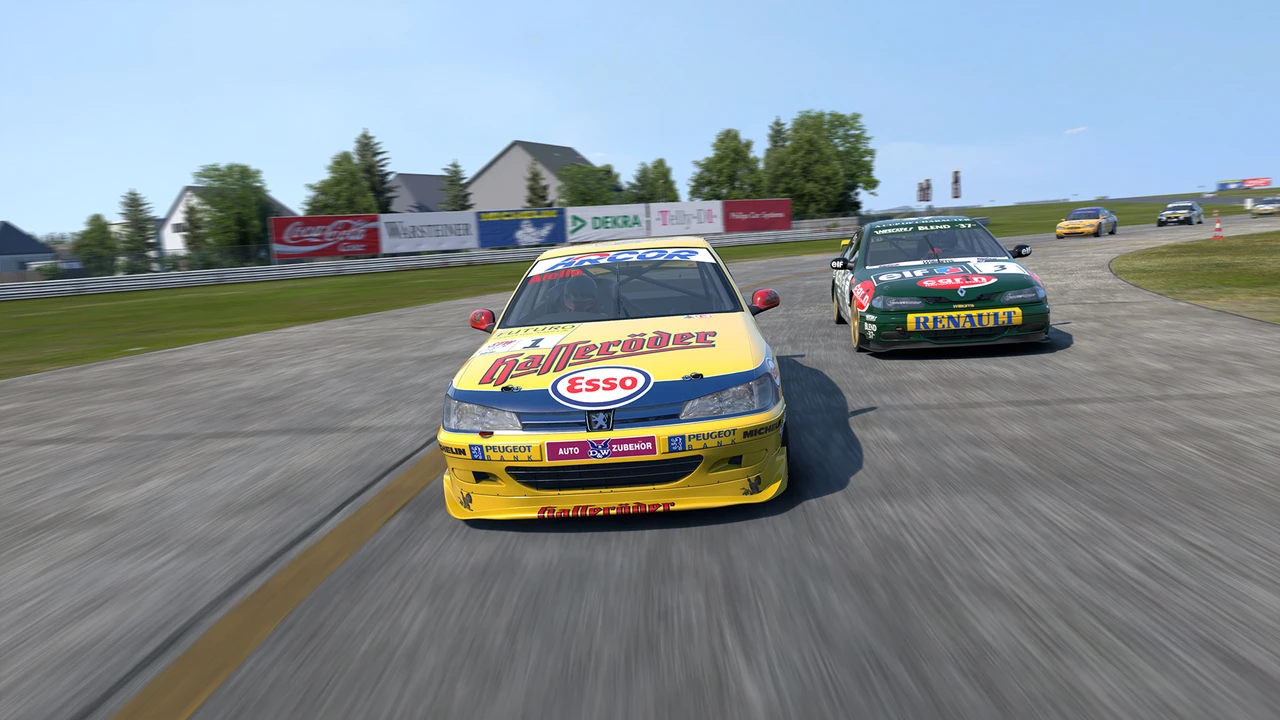
On the positive side, KW Studios finally fixed one of RaceRoom’s oldest storefront headaches: buying any car now unlocks all of its liveries automatically at no extra cost. And on track, the new 1990s Super Touring additions—including the Peugeot 406 and Ford Mondeo alongside classic 1995 Spa and Historic Laguna Seca—deliver some of the best front-wheel-drive touring car physics and tire scrub audio in sim racing.
However, bundling four historic cars and three vintage circuits at $49 USD feels steep for casual jump-in drivers, especially after early backend transition bugs required rapid hotfixes to stabilize ranked lobbies. High pack pricing always carries the risk of splitting multiplayer grids outside peak European evening hours.
Great Physics Need Full Lobbies to Thrive
Including all car liveries with every vehicle purchase is a big step in the right direction for RaceRoom’s storefront, and KW Studios has been quick to push backend patches to iron out early server disconnects. Now the focus shifts to ranked participation—where events like the free-to-enter Alpine A110 Cup and weekly Super Touring splits have a real chance to pack the grids.