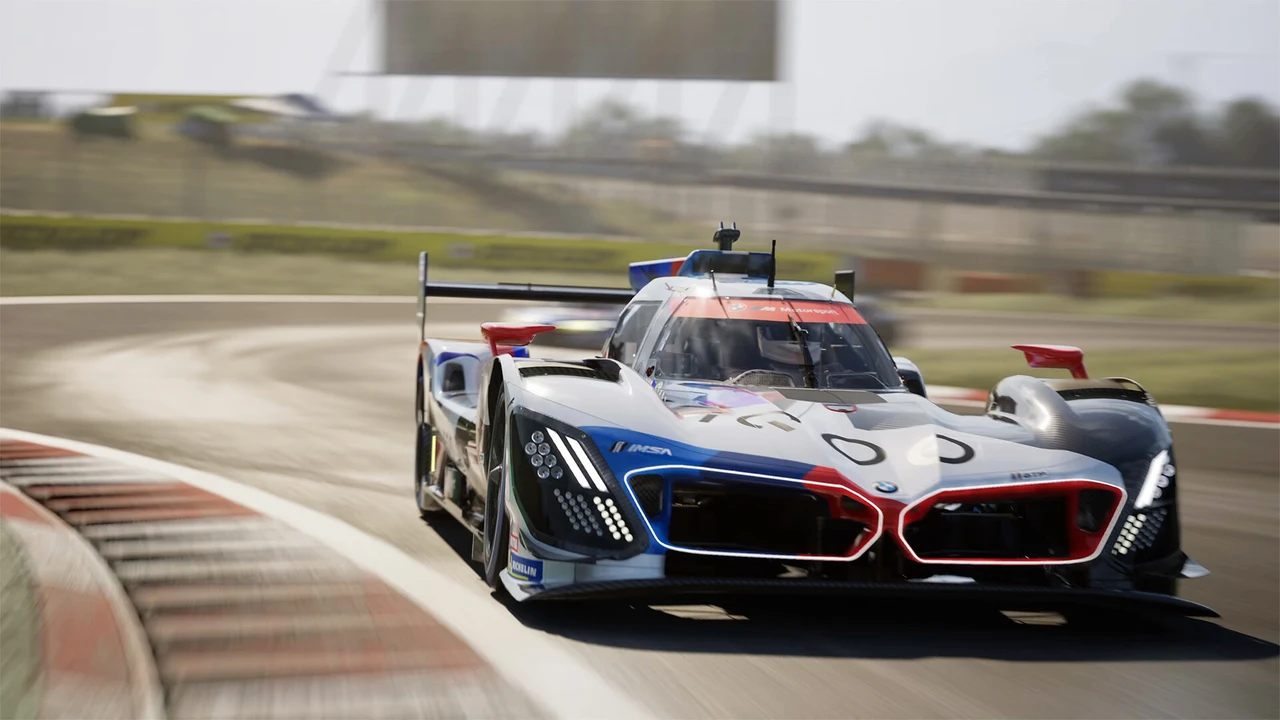
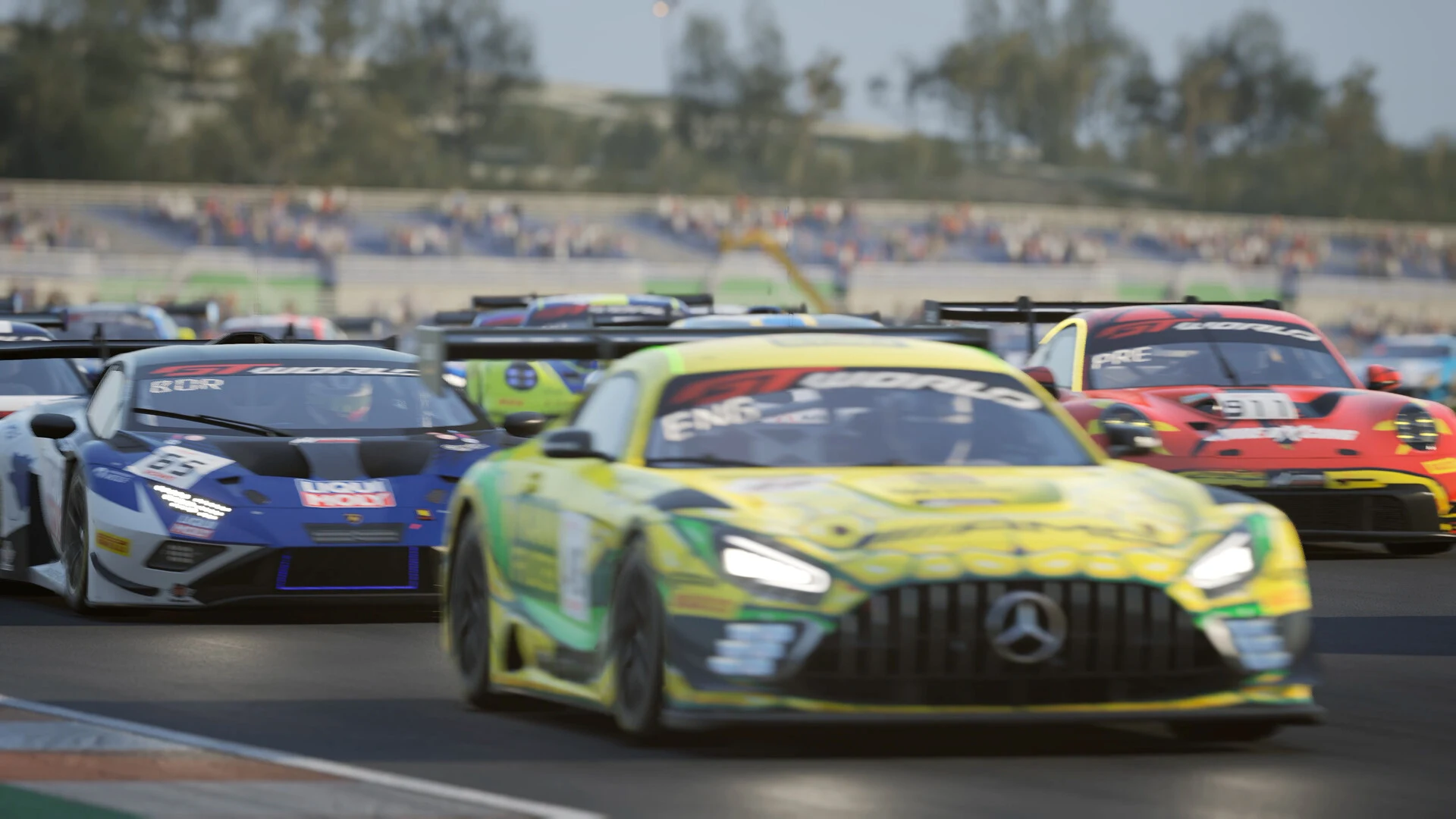
If you scrolled past an onboard rally clip or a trackside replay this week and had to look twice to figure out whether it was real life or Assetto Corsa, you are not alone. A wave of neural-rendered sim footage tested across PC hardware labs has sparked a massive conversation across the sim racing industry about where graphics engines are headed next.
For the last decade, racing simulators chased photorealism through heavier polygon counts and brute-force ray tracing—often at the cost of VR and triple-screen framerates. Now, lightweight neural post-processing filters are tackling the real reason games still look like games: unnatural color grading, sterile trackside lighting, and overly sharp digital edges.
Why We Can Spot The Difference
Even in gorgeous titles like Assetto Corsa EVO or Gran Turismo 7, the human brain notices when asphalt reflections are too uniform or when trees and concrete walls lack natural atmospheric haze. Neural broadcast shaders trained on real motorsport TV cameras mimic how real camera sensors handle blown-out sky highlights, motion blur, and overcast light scatter.
Because competitive drivers need zero input latency and crisp braking markers in the cockpit, expect this kind of rendering to land in esports broadcasts first and replay modes before becoming an option toggle.
Physics First, Broadcast Realism Second
While no shader will ever replace a great tire model or crisp direct drive force feedback, making televised sim racing broadcasts visually indistinguishable from real world coverage is huge for attracting mainstream motorsport sponsors to sim racing leagues.