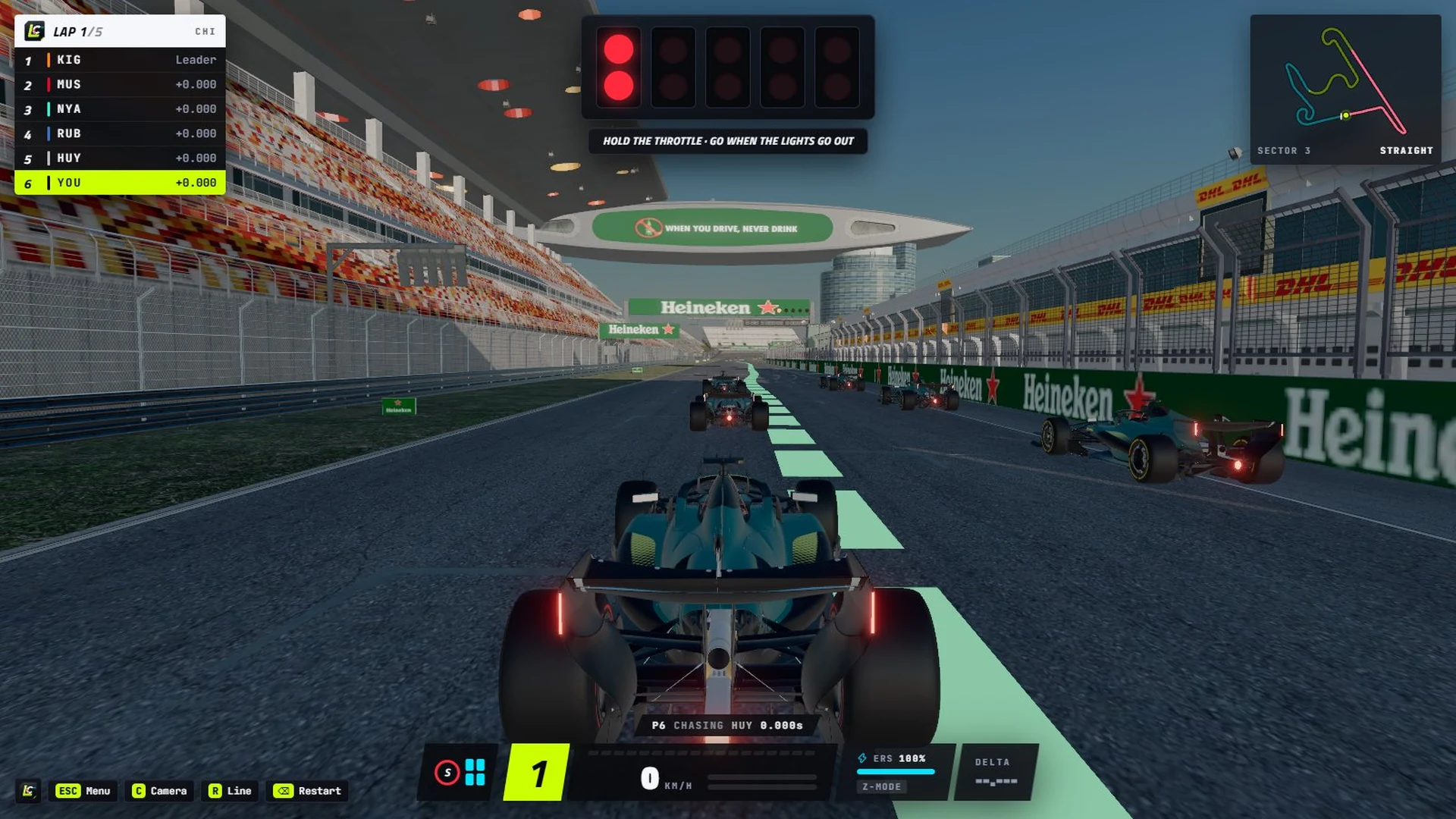
Usually, when you hear about a racing game running inside a web browser, you expect arcade arrow-key physics. Earlier this week, independent developer KhazP proved just how far browser engineering has come by releasing LibreCorsa, a completely free, open-source racing simulator with a 500 Hz rigid-body vehicle physics loop and native direct drive wheel support that launches in seconds with zero installation.
Published under an open MIT license on GitHub, LibreCorsa uses Three.js and WebGL2 for client-side rendering while dedicating a high-frequency physics thread to suspension geometry, load transfer, and tire slip calculations.
While the core rigid-body vehicle dynamics tick at a fixed 500 Hz, tire slip curves and independent suspension travel run additional substeps up to 2,000 Hz alongside a thermal tire model and visible contact-patch sidewall deformation.
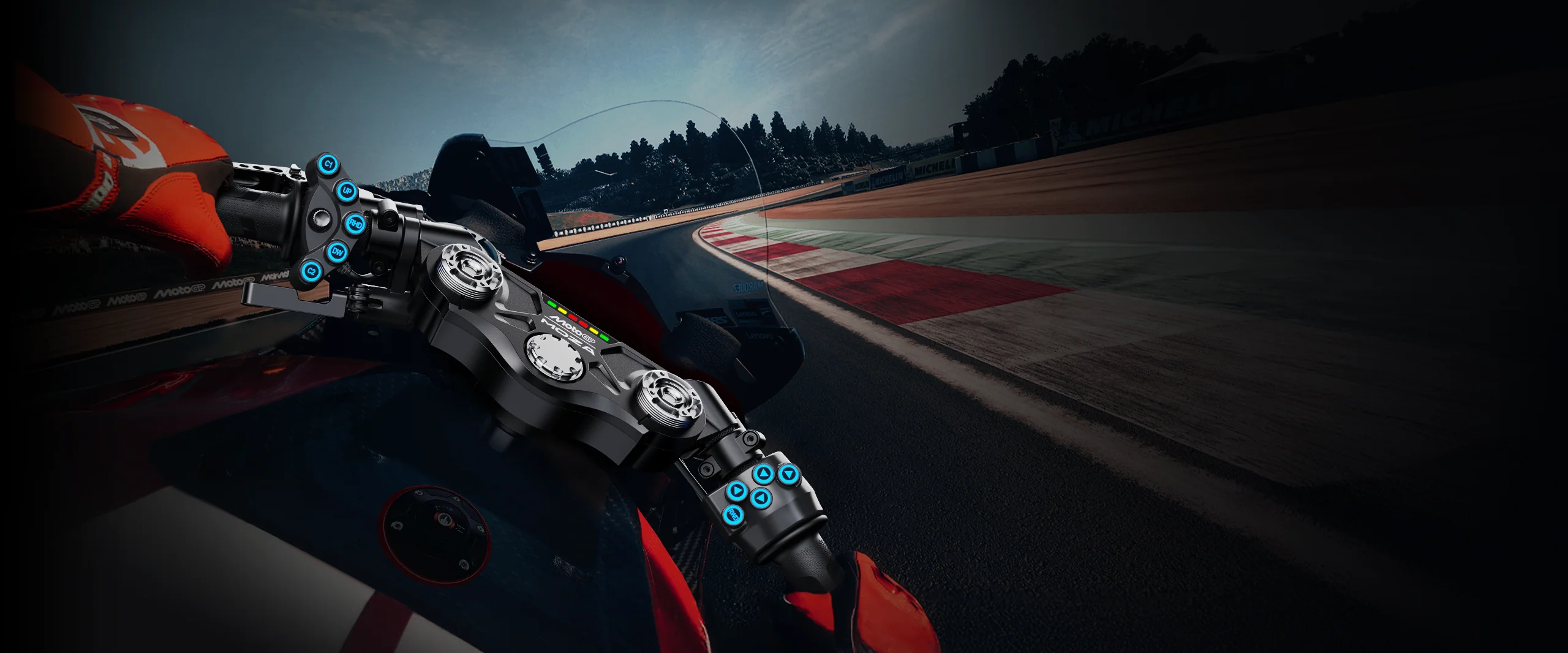
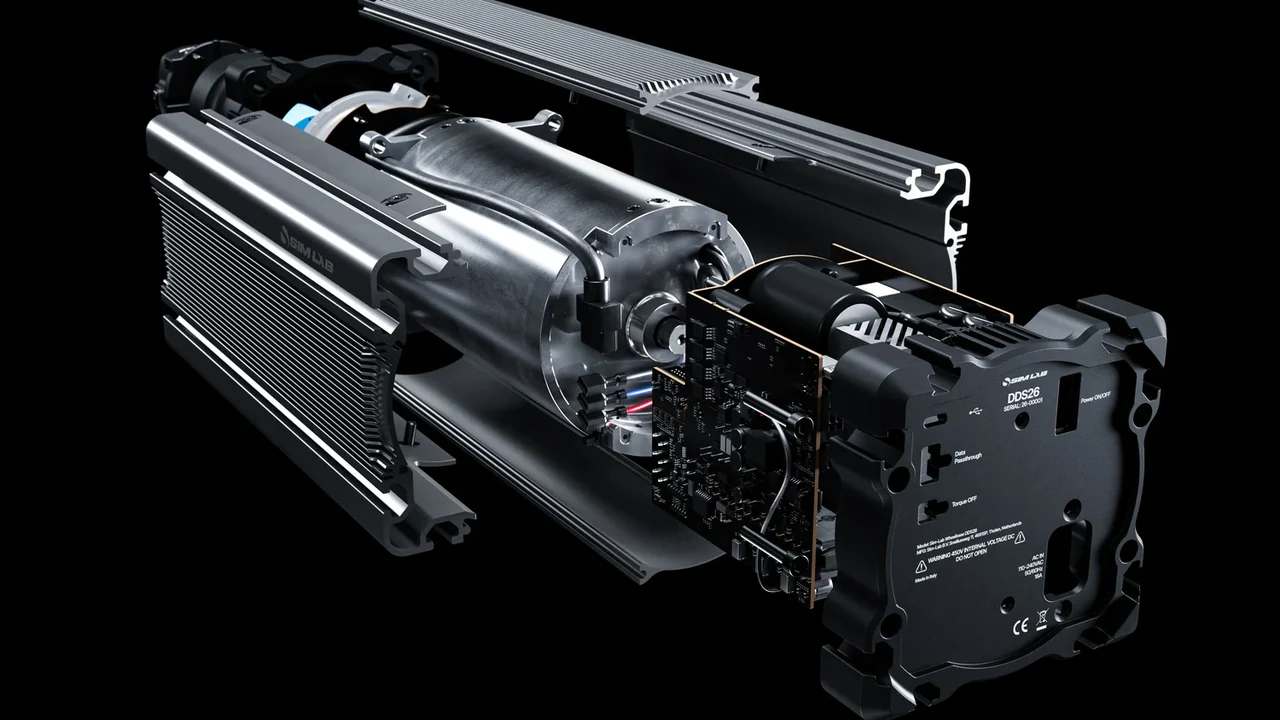
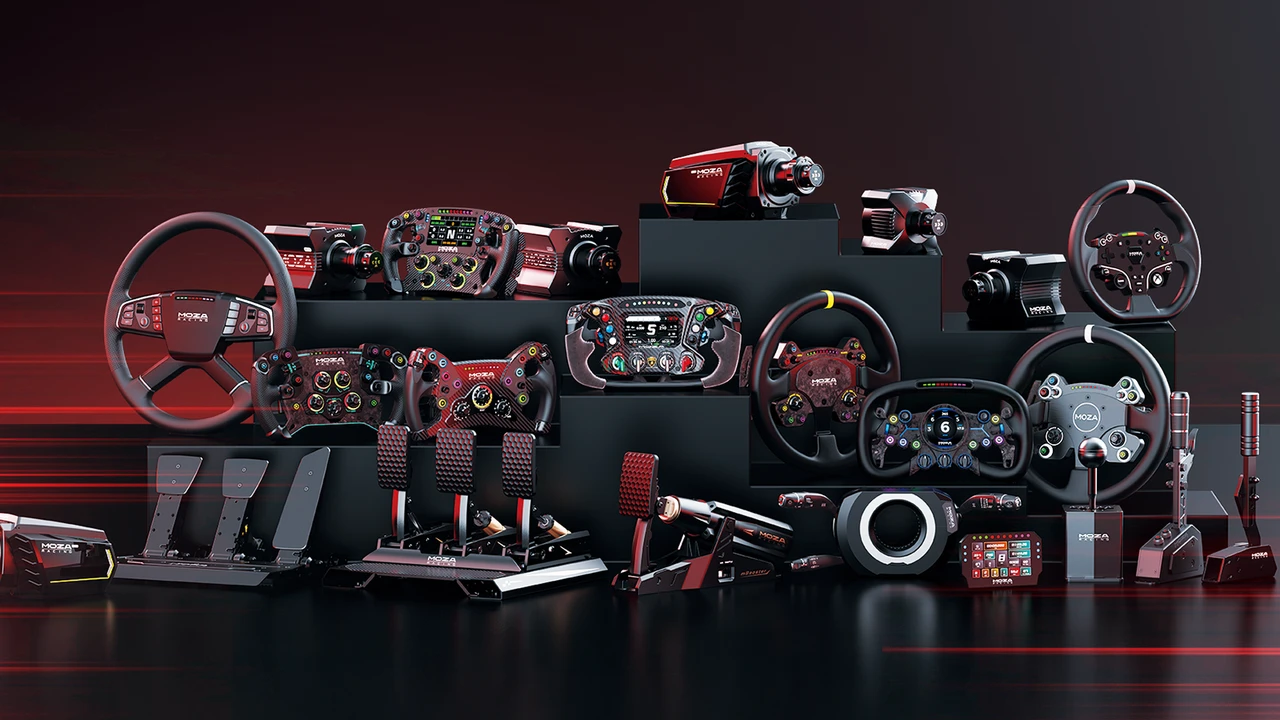
Instead of limiting players to keyboards or gamepads, LibreCorsa taps into the browser WebHID API to send real force feedback torque signals directly to MOZA, Simagic, and OpenFFBoard direct drive wheelbases.
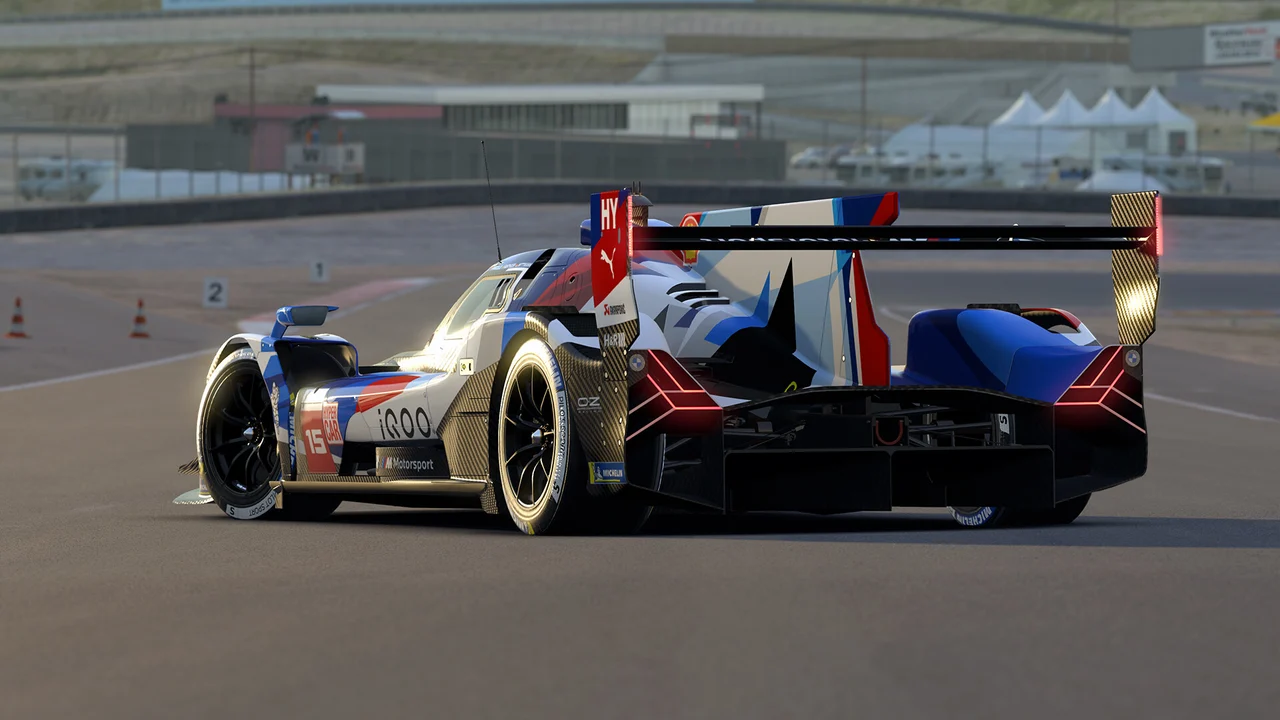
Drivers can jump into a 2026-regulation open-wheeler with active aerodynamics or a GT3 machine across four circuits, complete with AI grids, time-trial ghosts, and serverless peer-to-peer multiplayer using WebRTC room codes.
Why Browser WebHID Support Matters for Sim Racers
Being able to plug in a direct drive wheel, open a browser tab, and share a peer-to-peer room code with friends without waiting for a 100 GB download is a massive technical milestone. You can test LibreCorsa right now in any WebGL2/WebHID browser at khazp.github.io/librecorsa.