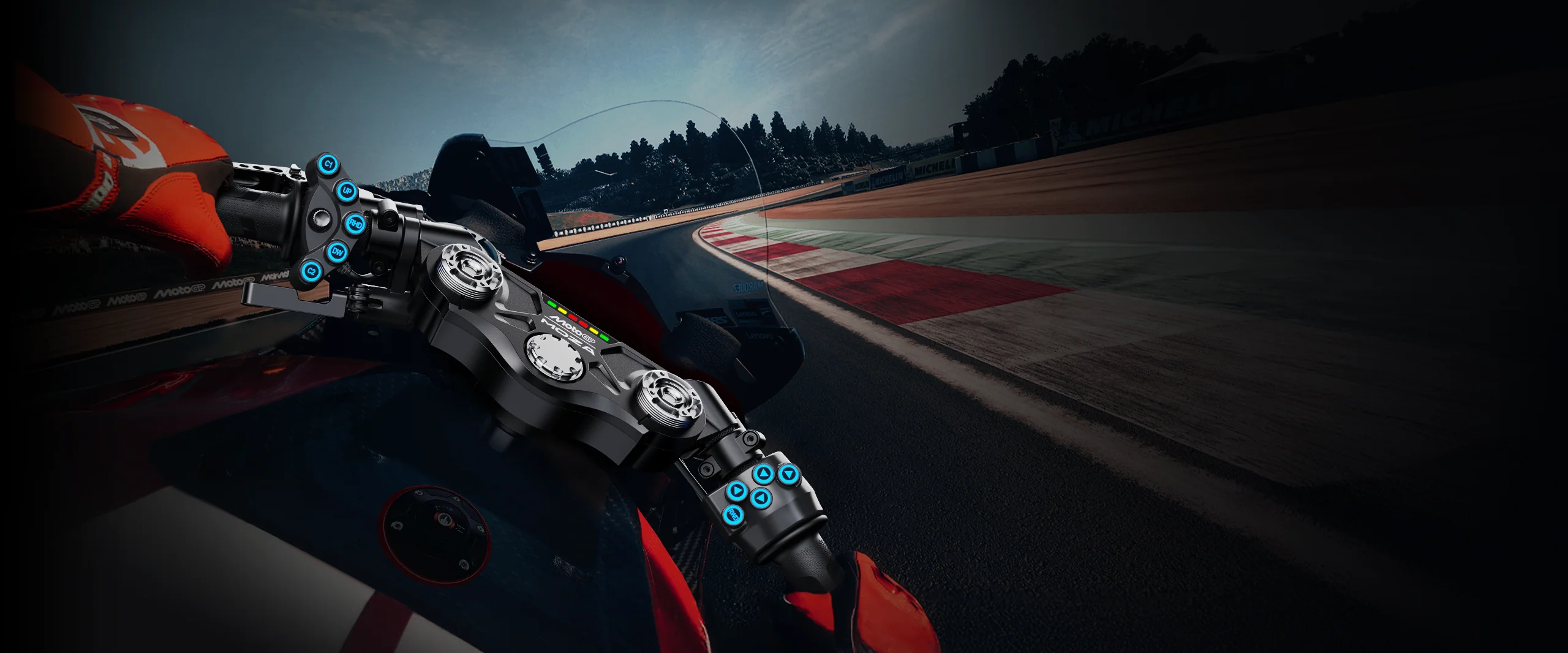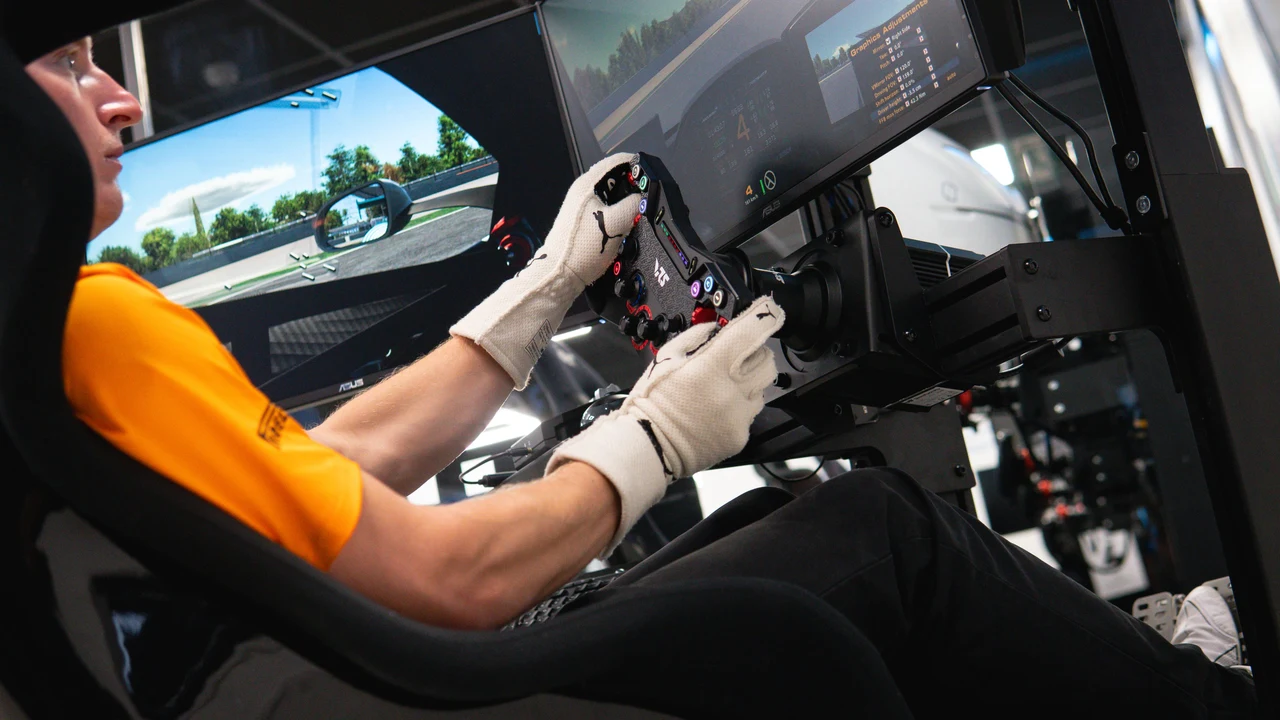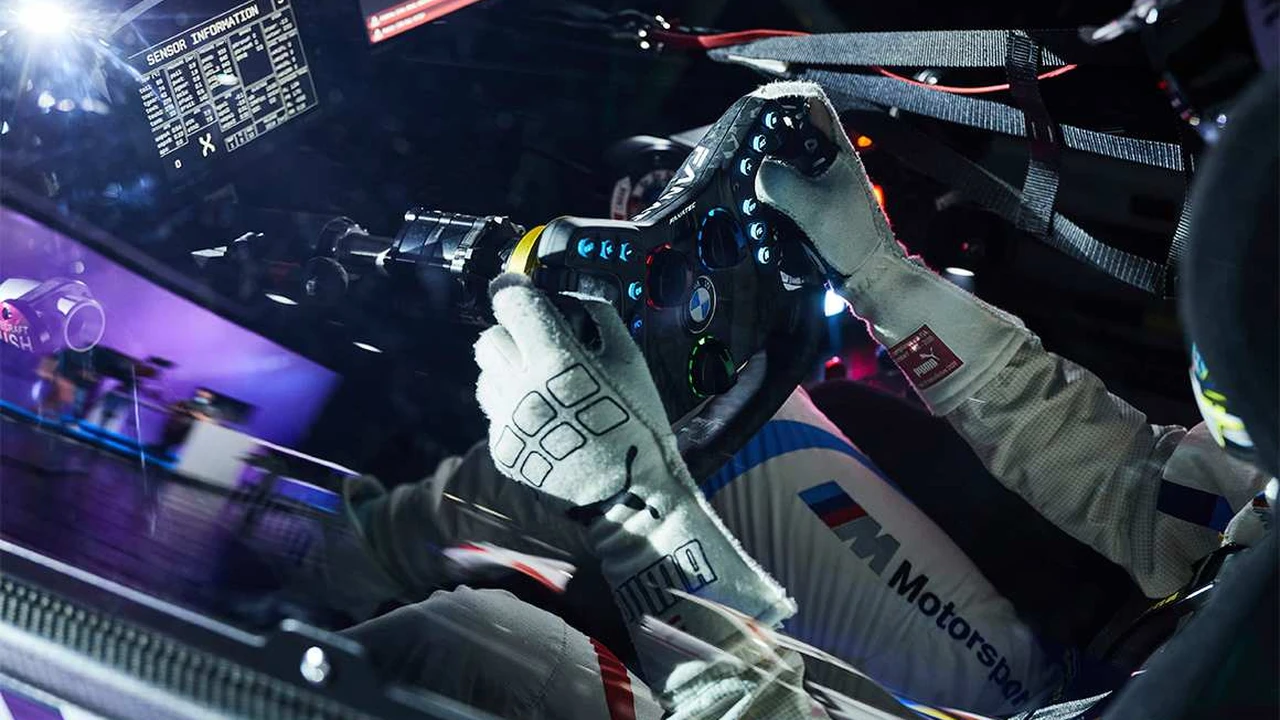
For the past five years, every conversation around direct-drive wheelbases started and ended with peak Newton-meters. Manufacturers raced from 5 Nm desktop bundles up to 15 Nm, 20 Nm, and 25 Nm motors until almost every mid-range base on the market had enough sustained holding torque to wrestle a high-downforce prototype through Eau Rouge without FFB clipping. Entering 2027, the real engineering battleground is no longer raw muscle, but how many times per second the sim engine and motor controller update the wheelbase.
Why Update Frequency Matters More Than Extra Newton-Meters
Traditional USB Direct Input force feedback polls the wheelbase at 60Hz, meaning your motor receives a new torque command roughly once every 16.6 milliseconds. At 250 km/h, a GT3 car travels more than a full meter of asphalt between those 60Hz updates. By the time a standard 60Hz signal tells your hands that the front tires have broken traction over a painted curb, the slide is already underway.
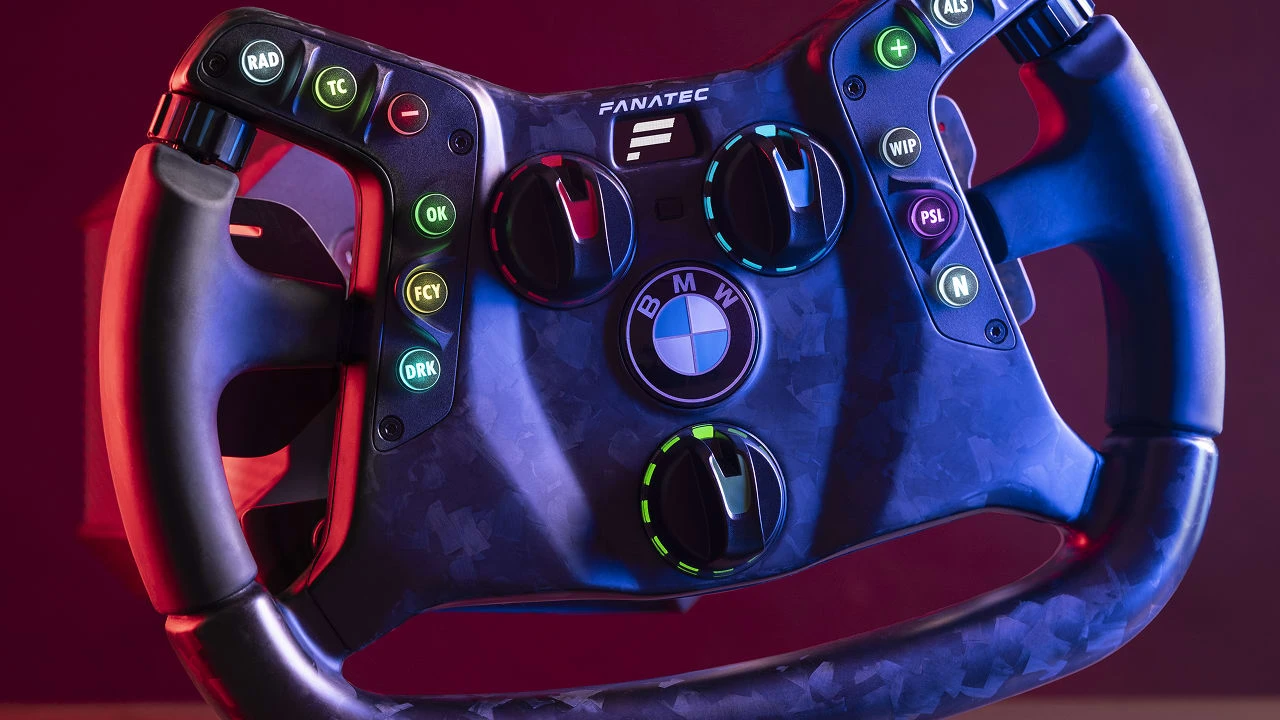
 Fanatec
High-frequency force-feedback such as iRacing's 360Hz mode and hardware protocols like Fanatec FullForce on the ClubSport DD and DD+ cut that interval down to 2.7 milliseconds. Instead of smearing rapid suspension chatter into a dull hum, 360Hz telemetry feeds the servo drive crisp, immediate micro-impulses as the tire tread blocks load and unload across the road surface.
- Update Interval: 16.6 ms between torque packets
- Curb & Slip Detail: Relies on synthetic damping filters to smooth step changes
- Catching Slides: Slight delay when the rear axle snaps over wet curbs
- Update Interval: 2.7 ms physics-synced motor updates
- Curb & Slip Detail: Transmits fine road texture and engine harmonics directly through the shaft
- Catching Slides: Immediate self-aligning torque at the onset of oversteer
Before spending extra budget jumping from a 15 Nm base to a 25 Nm monster, check whether the wheelbase firmware supports native 360Hz telemetry and low-latency encoder filtering in your primary sim.